NexaGPU
NexaGPU
NexaGPU
Engineered for mission-critical deep learning deployment, data processing, and optimized thermal performance
An Analysis of the Thermodynamics, Economic Factors, and Global Paradigms of Modern AI Compute Facilities
The exponential rise of generative AI, large language models (LLMs) like DeepSeek, and high-performance computing (HPC) has fundamentally altered the physical parameters of modern data centers. Traditional computing relied on CPUs with a TDP (Thermal Design Power) of 150W to 300W, which could be managed effectively using legacy air-cooling systems. However, modern GPU clusters hosting NVIDIA H100, H200, and next-generation Blackwell B200 architectures see power demands scaling up to 700W, 1000W, and even 1200W per chip.
At these power densities, the heat flux at the silicon level exceeds the physical capacity of ambient air cooling. Without advanced cooling methods, thermal throttling occurs almost immediately, degrading computational efficiency and shortening component lifespans. As a leading manufacturer and exporter in China, NexaGPU is addressing this crisis by delivering state-of-the-art liquid cooling systems, phase-change heat sinks, and intelligent air-flow configurations to maintain safe, steady-state junction temperatures across high-density server architectures.
The data center cooling market has evolved from a secondary infrastructure consideration to a multi-billion dollar primary growth driver. In North America and Europe, operators are upgrading facilities to accommodate high-density server configurations. Meanwhile, developing tech hubs in Southeast Asia and the Middle East face high ambient outdoor temperatures, demanding cooling systems that can function in extreme climates without consuming excessive water or electricity.
Consequently, the industry is transitioning to a hybrid cooling architecture. Facilities are deploying Direct-to-Chip (D2C) liquid cooling for high-TDP GPU nodes while maintaining localized, high-efficiency precision air cooling for secondary storage and network components. This hybrid approach enables data center operators to scale their computing density without requiring complete greenfield facility reconstructions.
Global Supplier of Customized AI Server Infrastructure & Next-Generation Thermal Solutions
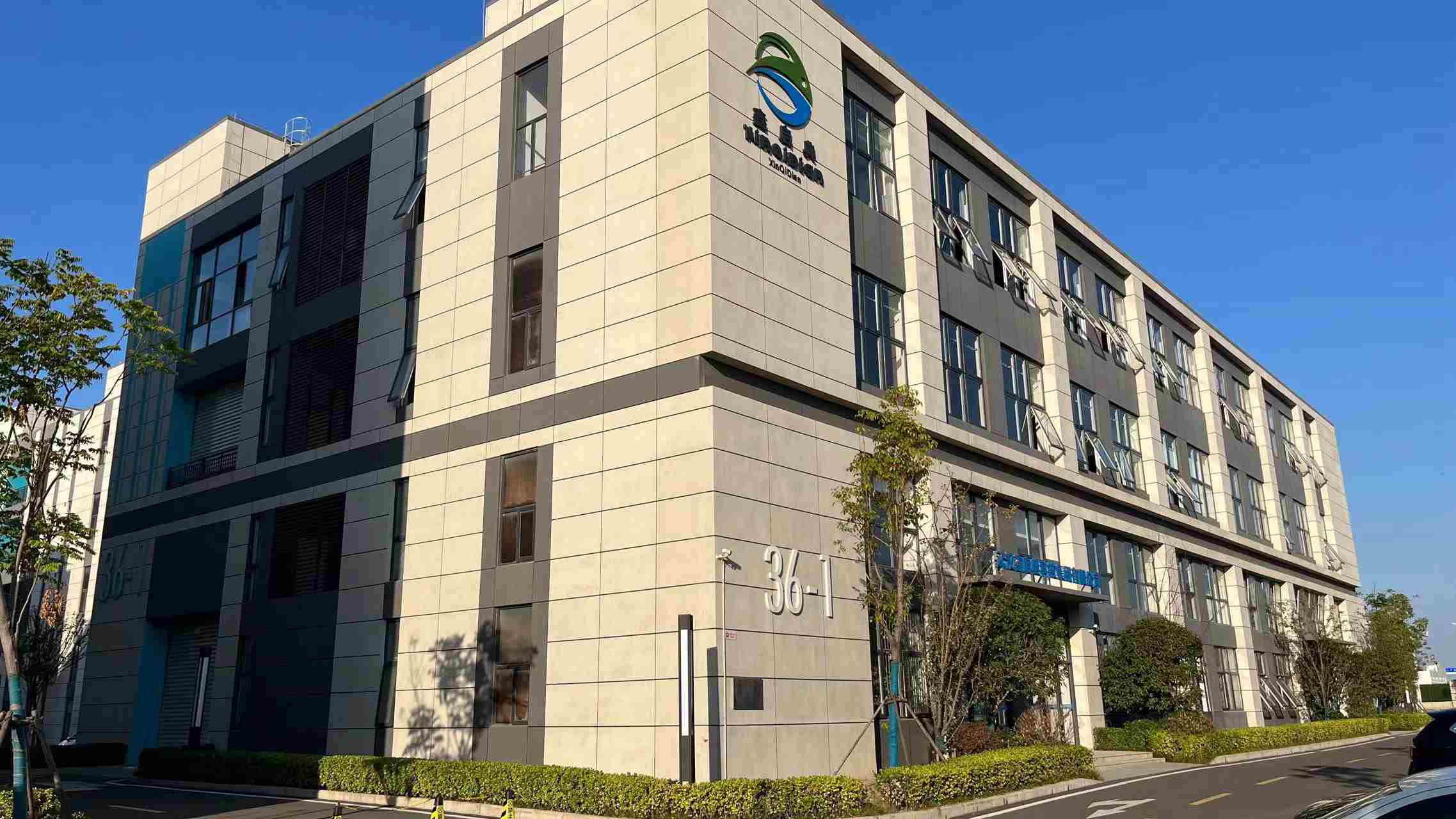
NexaGPU is a professional AI GPU server manufacturer and supplier specializing in high-performance computing infrastructure, GPU clusters, and customized AI server solutions for global enterprises, data centers, and AI development companies. Since our establishment in 2016, we have grown into a reliable provider of advanced GPU computing systems, delivering reliable thermal architectures and structural designs to clients worldwide.
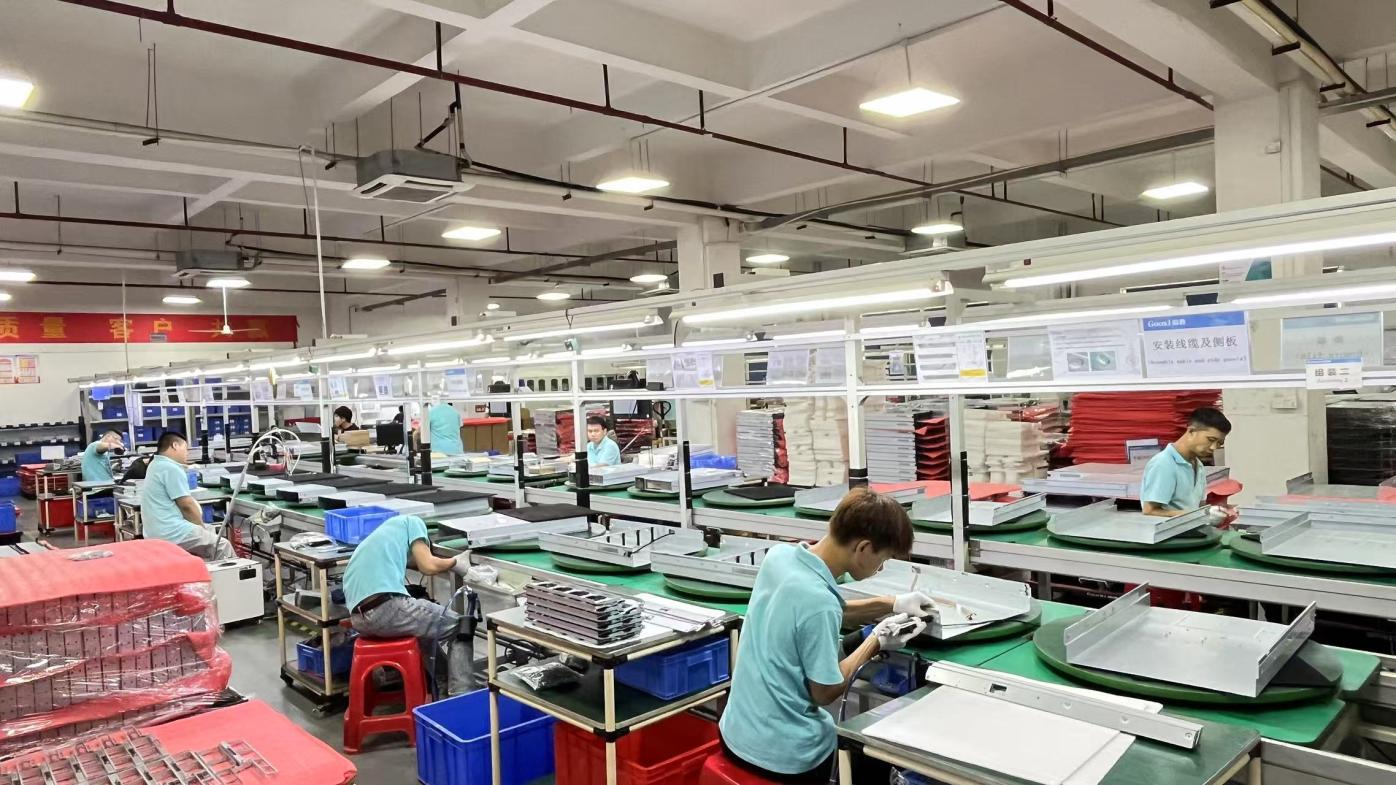
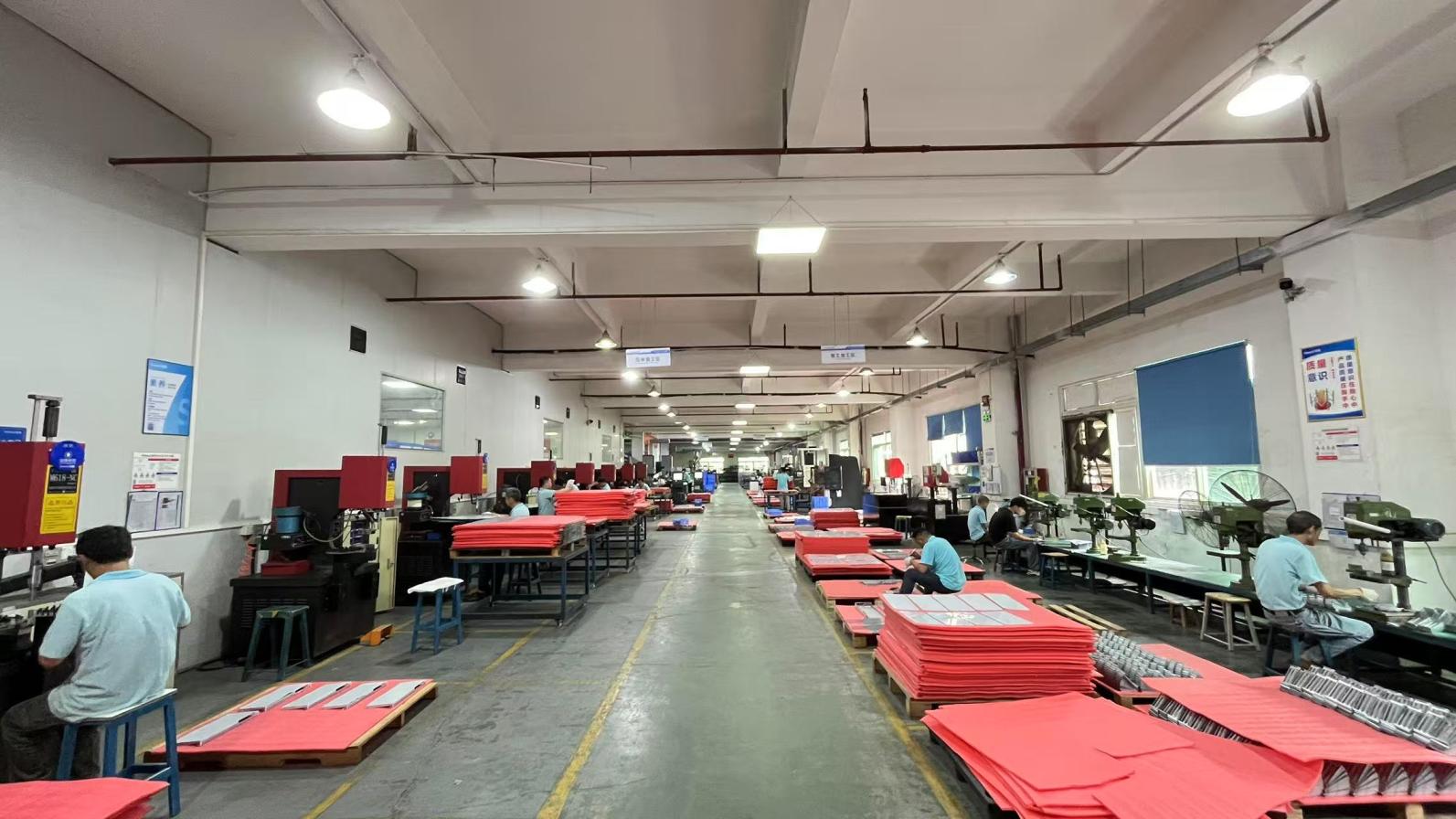
We operate a modern, highly specialized manufacturing and assembly facility with a building area of approximately 320㎡. This facility is optimized for the clean-room production, ESD-controlled assembly, and stress-testing of AI server systems. Leveraging 6 years of direct export experience and 11 years of industry experience, NexaGPU maintains an annual export revenue of USD 12 million, serving clients in North America, Europe, Southeast Asia, and the Middle East.
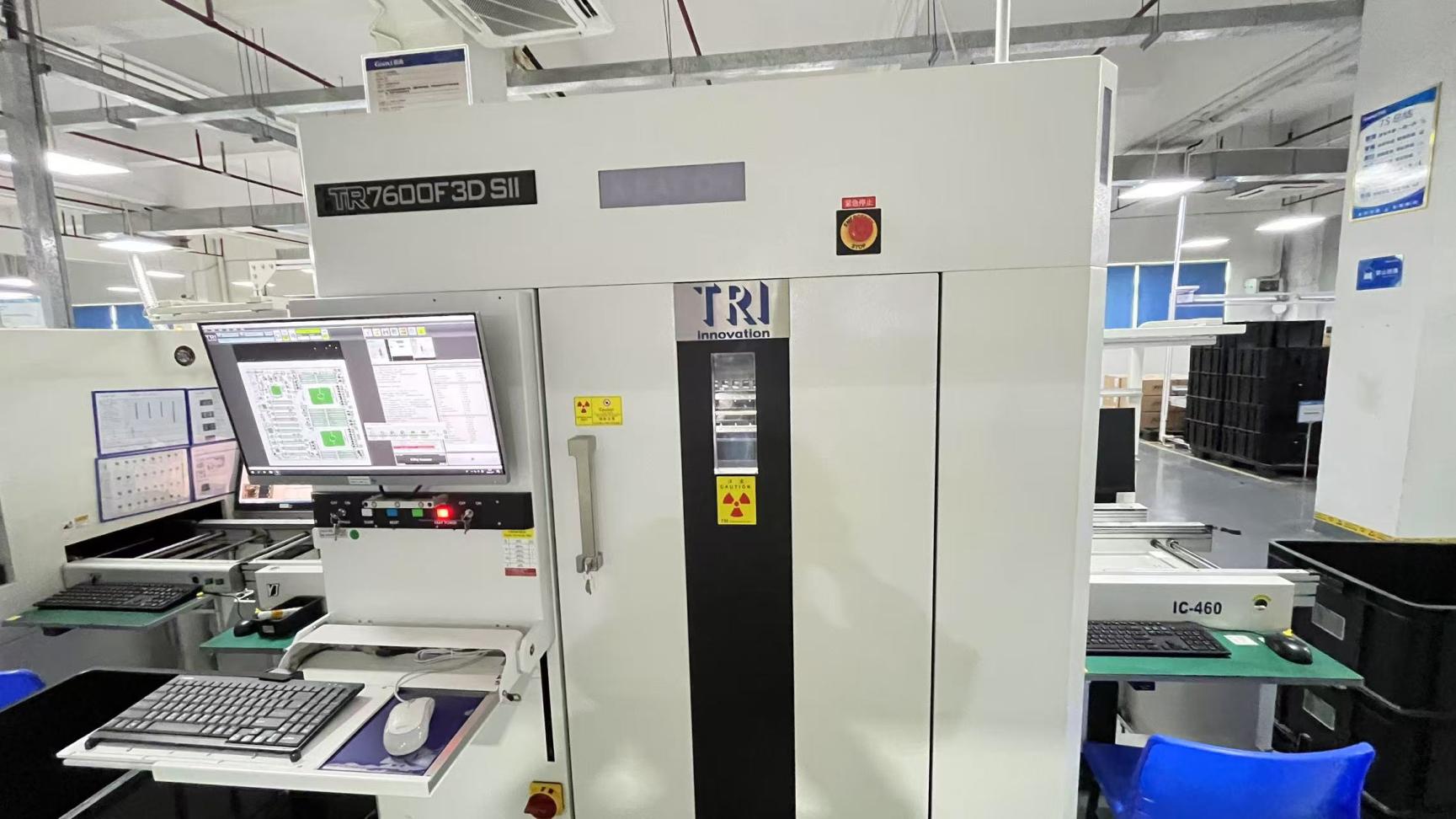
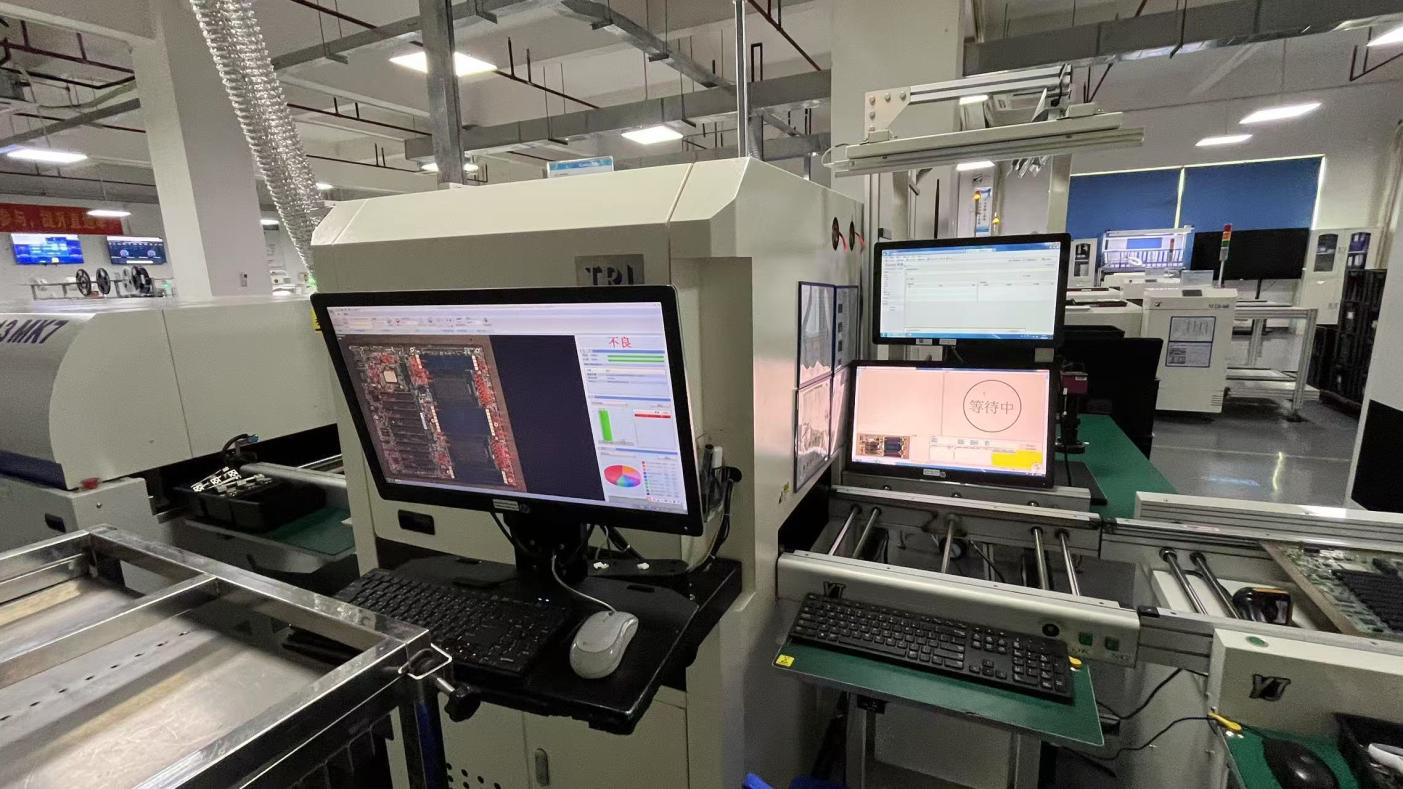
To maintain strict product quality and reliable performance, NexaGPU implements multi-stage inspection processes, including hardware stress testing, thermal performance validation under simulated maximum workloads, and long-term system stability tests. Our quality assurance team of 45 QC specialists ensures that every server shipped meets stringent international standards. Our deep B2B technology supply chain is built on collaborations with over 850 supply chain partners, including GPU chip suppliers, motherboard manufacturers, server chassis factories, and custom cooling system providers.
With a strong R&D team consisting of 120 engineers, we focus on GPU architecture optimization, AI server chassis design, and liquid cooling technology. We provide extensive customization options, including GPU configuration, CPU selection, memory expansion, storage architecture, and liquid cooling loops. Last year alone, we successfully launched 85 new product models to meet the changing demands of the artificial intelligence sector.
The Evolution from High-Volume Air Cooling to Closed-Loop Liquid Architectures
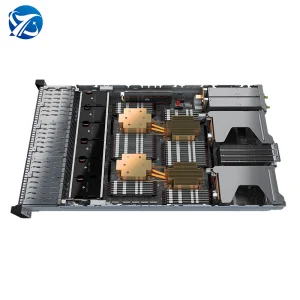
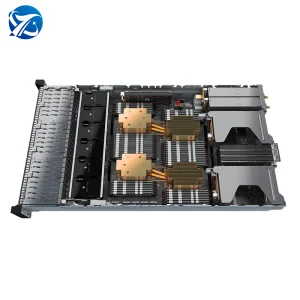
Utilizing high-thermal-conductivity vapor chambers and micro-grooved heat pipes. Designed for standard 1U/2U form factors to manage heat dissipation up to 350W TDP per processor socket.
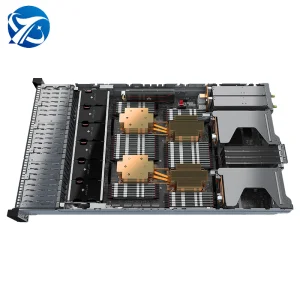
Engineered cold plates routed directly to GPUs and CPUs, transferring up to 90% of structural thermal output straight to a closed water loop. Greatly reduces fan noise and energy consumption.
Submerging electronic hardware directly in specialized dielectric fluids. Offers uniform cooling across all micro-components, supporting rack densities of over 100 kW.
Over the next five years, AI hardware development will require co-designing thermal solutions directly alongside silicon packaging. High Bandwidth Memory (HBM3e and HBM4) stacks are placed close to the primary GPU logic dies. This configuration creates high-density heat zones, where even minor thermal resistance can limit memory bandwidth and computing performance.
In response, NexaGPU is actively developing silicon-contact micro-channel cold plates that feature direct gold-tin alloy interface soldering. By removing the traditional thermal interface material (TIM) layer, we reduce contact resistance, allowing direct heat transfer from the silicon to the fluid loop. This engineering advancement ensures that next-generation deep learning training networks can run continuously at peak speeds without thermal limitations.
Solving Complex Infrastructure Challenges Across Varied Global Climates and Industries
Hyperscale data centers require highly reliable, scalable cooling configurations. Our CDUs (Cooling Distribution Units) manage liquid flow rates across multiple server racks, optimizing energy use and fluid distribution.
In locations like the Middle East, high ambient temperatures make traditional dry coolers less effective. We design closed-loop adiabatic evaporative cooling systems that maintain low fluid temperatures with minimal water usage.
Edge compute installations require quiet, low-maintenance, and dust-resistant systems. Our custom silent 2U and 4U active air structures and compact closed-loop liquid systems are ideal for remote edge AI nodes.
A prominent case study involved upgrading a cloud service provider's facility in Southeast Asia, where average outdoor temperatures exceed 32°C year-round. Traditional air-cooled systems struggled to maintain the PUE target of 1.4, frequently resulting in safety throttling on GPU modules.
By implementing NexaGPU's customized direct-to-chip water loops combined with high-performance copper heat exchangers, the facility reduced its PUE to 1.16. This shift lowered cooling energy costs by 62% and improved GPU processing stability by 15%, demonstrating the commercial viability of modern liquid cooling in hot climates.
Common Technical Questions Regarding High-Performance AI Server Thermal Management
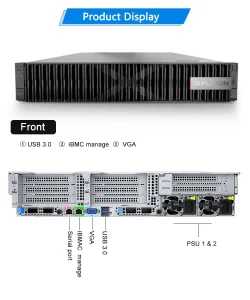
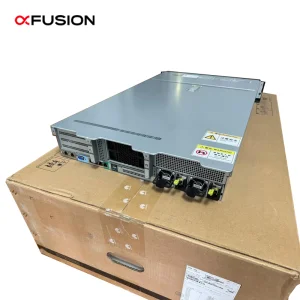
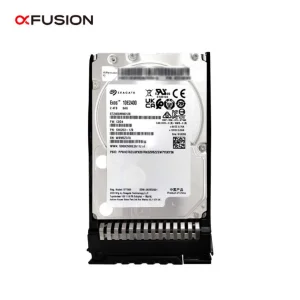
Explore our high-performance AI inference platforms, storage arrays, and network servers