NexaGPU
NexaGPU
NexaGPU
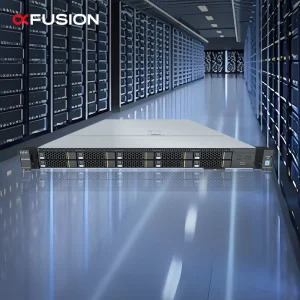
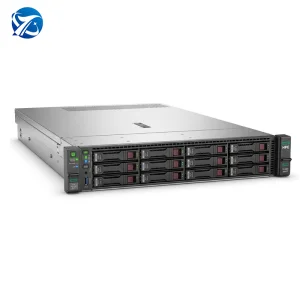
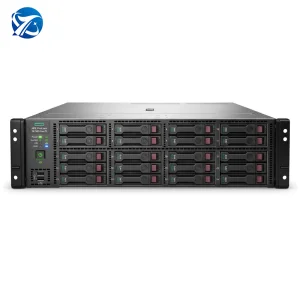
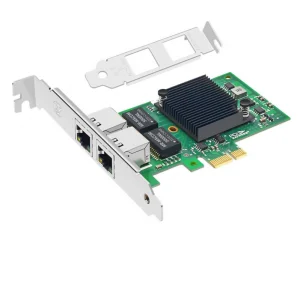
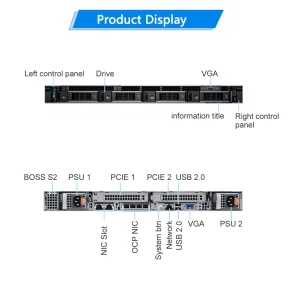
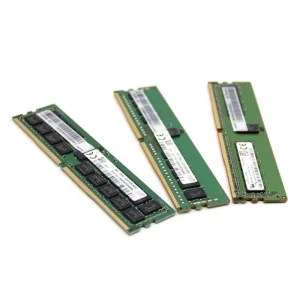
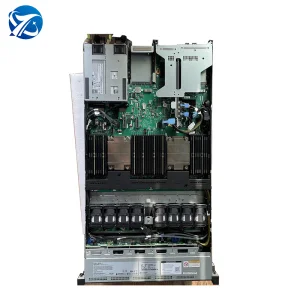
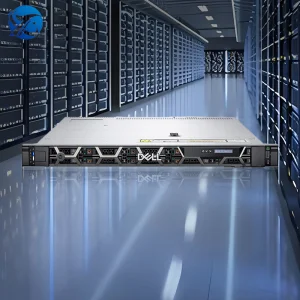
As the digital economy matures, high-performance server memory forms the structural backbone of complex modern industries. The transition from DDR4 architectures to next-generation DDR5 standard platforms is driven by massive data workloads, high-density server configurations, and virtualization requirements. Server memory is no longer a secondary component; it is a critical performance factor in the era of Generative AI, cloud computing, and high-frequency transactions.
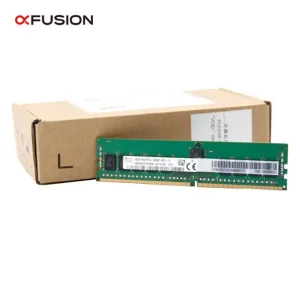
Modern CPUs, featuring up to 128 cores, require massive data pipelines. DDR5 RDIMMs support speeds up to 6400MT/s to minimize latency bottlenecks in high-density processing nodes.
Error-Correcting Code (ECC) technology remains a critical standard. Modern server platforms require On-Die ECC (ODECC) combined with side-band ECC to guarantee enterprise-level data uptime.
DDR5 relocates power management to the DIMM with a Power Management IC (PMIC), lowering operating voltage to 1.1V for reduced thermal output in massive server arrays.
Sourcing memory components and integrated server racks directly from China allows global enterprises to optimize their hardware supply chains. The localized ecosystem in China offers high assembly speeds, strict quality control protocols, and direct access to primary component suppliers.
China's technology hubs combine raw DRAM fabrication, substrate manufacturing, passive component sourcing, and testing facilities into single geographic regions, minimizing supply delays.
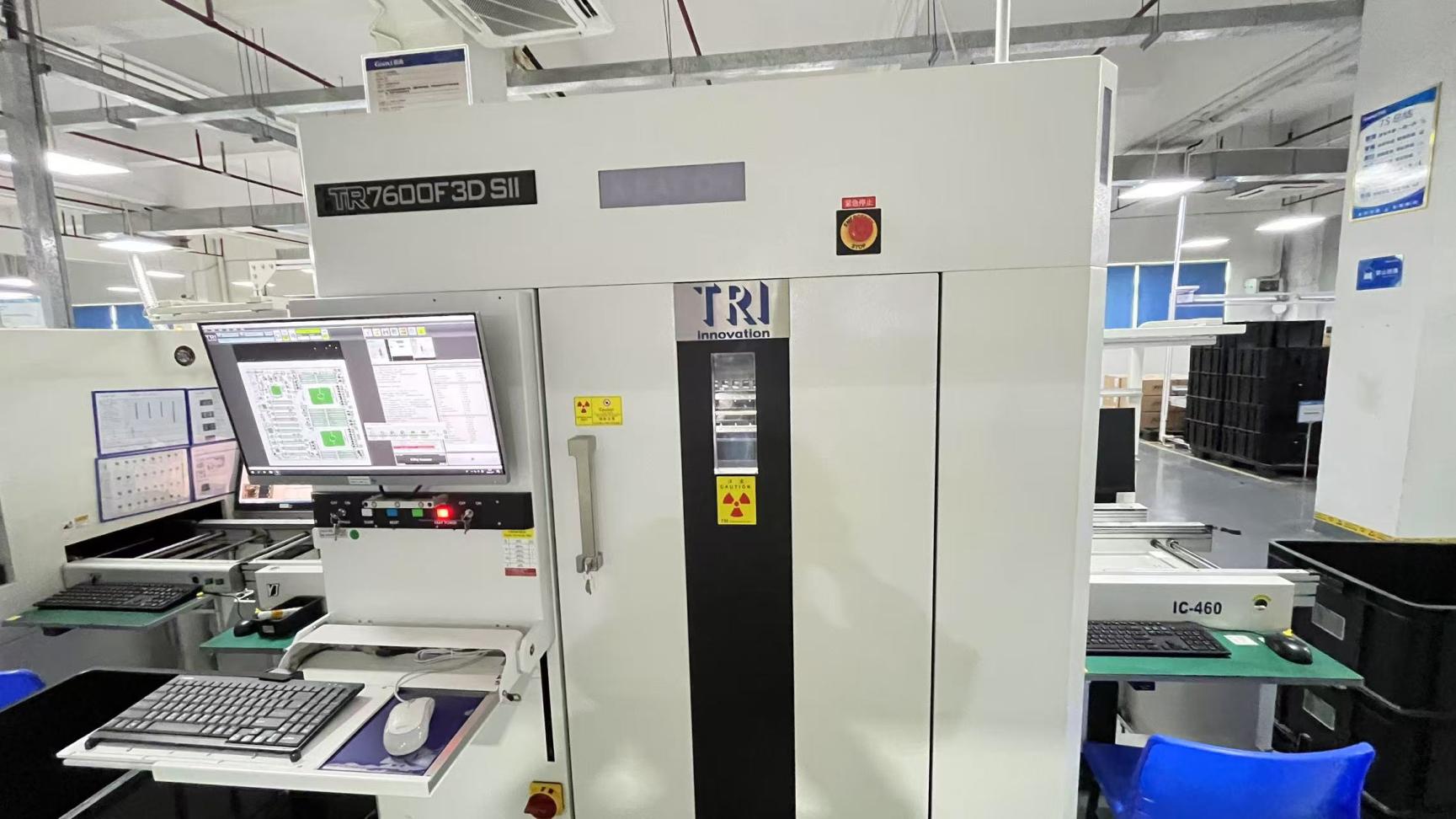
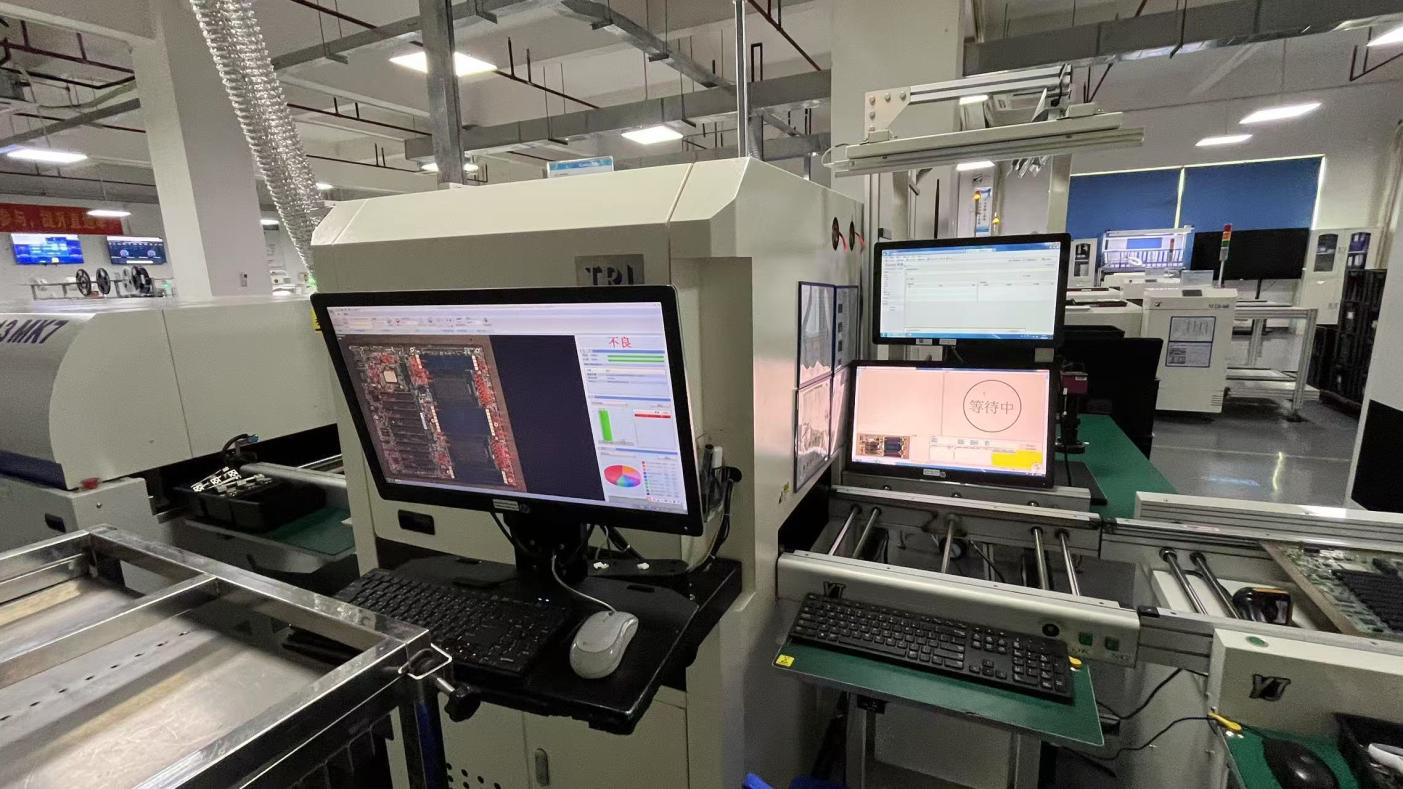
Leading suppliers implement automated optical inspections (AOI), thermal stress chambers, and custom SPD profile programming to guarantee out-of-the-box compatibility.
Flexible production lines allow for customization of modules, including custom heat-spreader designs, specific DRAM die selection, and tailored packaging for bulk deployments.
NexaGPU is a professional AI GPU server manufacturer and supplier specializing in high-performance computing infrastructure, GPU clusters, and customized AI server solutions for global enterprises, data centers, and AI development companies.
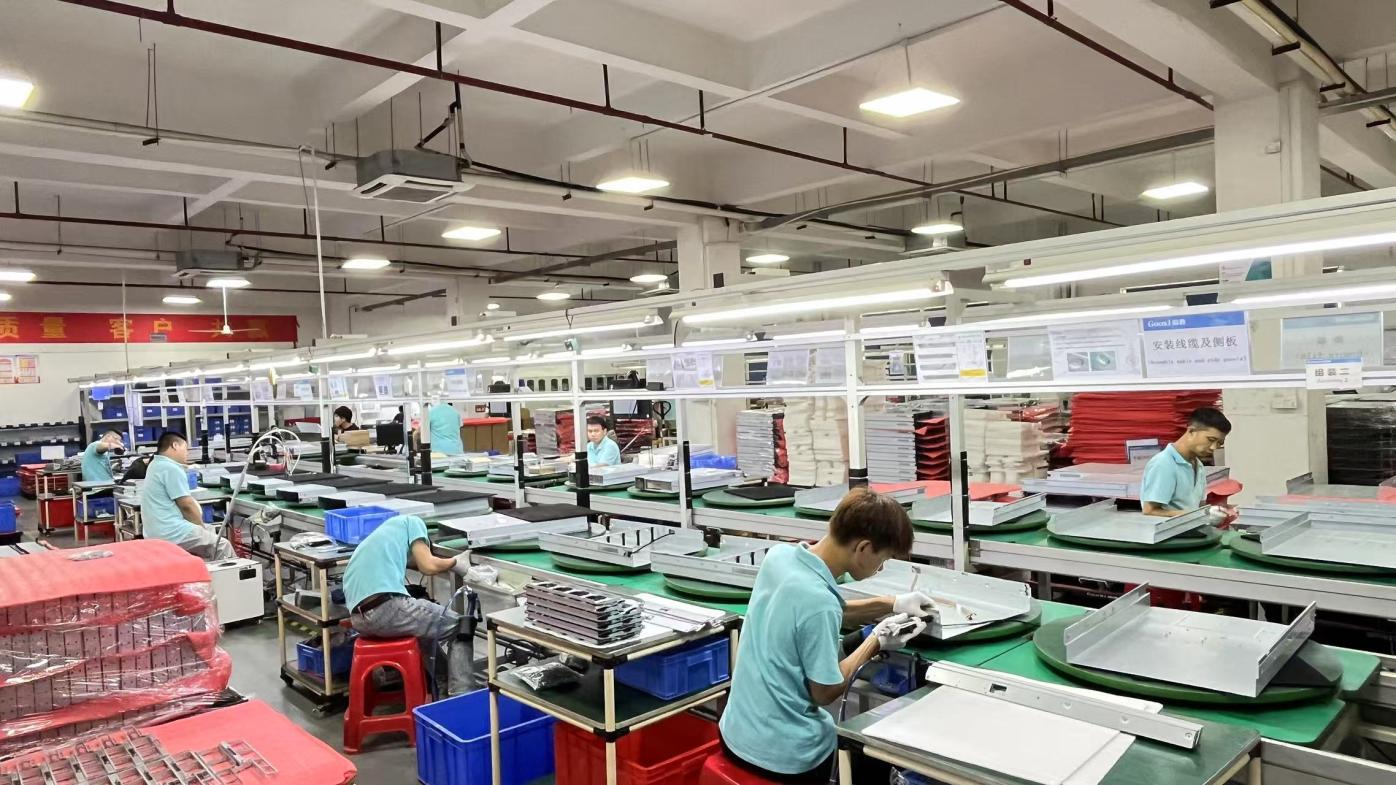
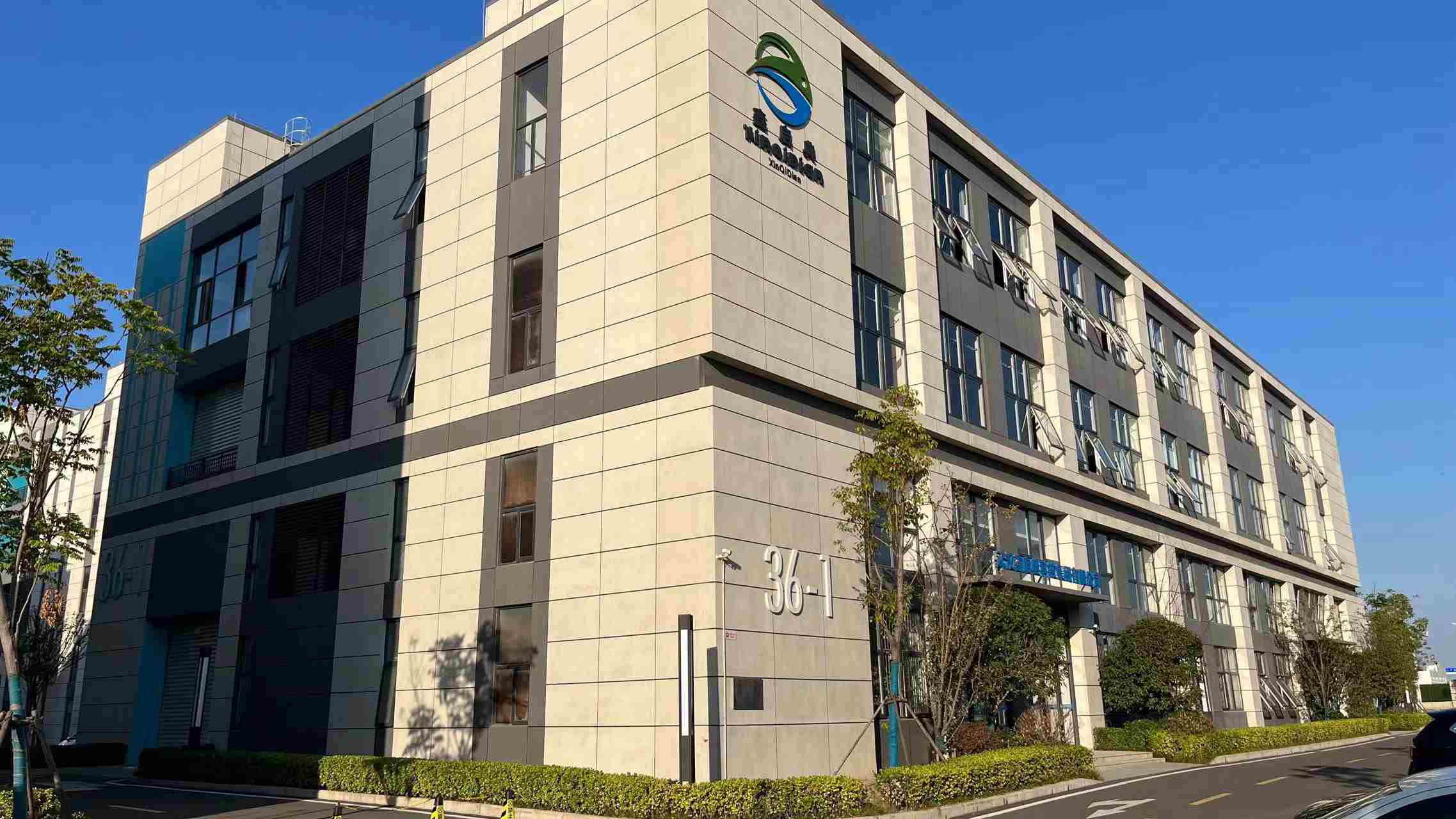
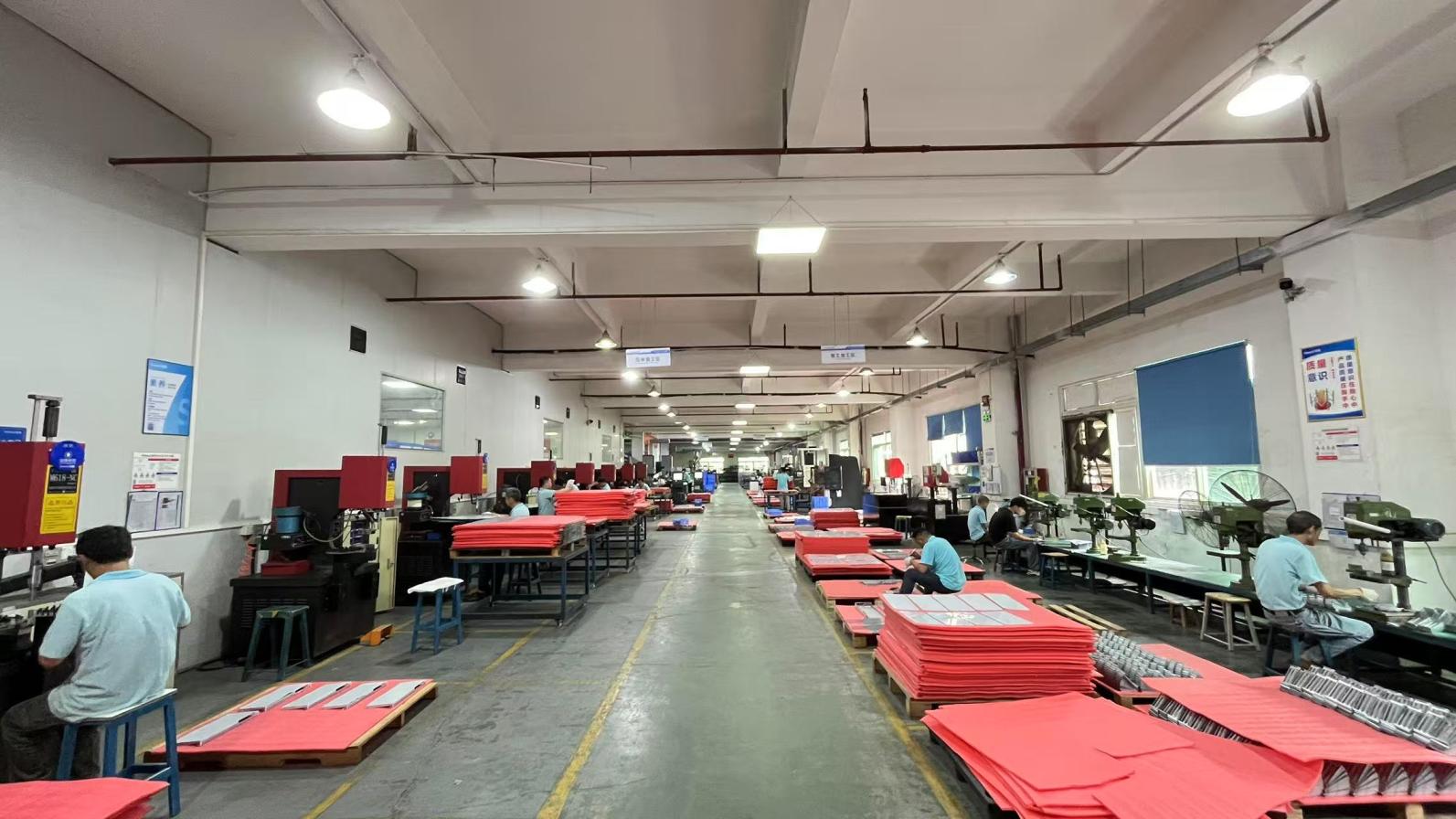
Established in 2016, NexaGPU has grown into a provider of advanced GPU computing systems. Operating a modern manufacturing facility with a building area of approximately 320㎡, the company supports efficient production, assembly, and testing of high-density server platforms. NexaGPU maintains 6 years of export experience and 11 years of industry experience in high-performance computing and server manufacturing.
To ensure strict product quality, NexaGPU implements multi-stage inspection processes, including hardware stress testing, thermal performance testing, and system stability validation. The QA team of 45 specialists works to maintain product reliability in high-workload operations. NexaGPU operates across global B2B technology supply chains, with major markets in North America, Europe, Southeast Asia, and the Middle East, collaborating with over 850 supply chain partners.
With an R&D team of 120 engineers focused on GPU architecture optimization, AI server design, and liquid cooling technology, the company offers customization options for GPU configurations, CPU selection, memory expansion, storage architecture, and liquid cooling systems. In the past year, NexaGPU launched 85 new product models, covering AI training, inference, and high-density GPU computing clusters.
Server memory modules and modern computing systems are configured differently depending on their intended applications. Standardizing hardware layouts to match specific operational workloads prevents performance bottlenecks.
Large Language Models (LLMs), including DeepSeek architectures, rely on high-bandwidth DDR5 configurations to feed training data directly to multi-GPU clusters, keeping accelerators fully utilized.
Cloud datacenters running VMware, KVM, or Hyper-V require dense RDIMM configurations (typically 64GB to 96GB per slot) to maximize virtual machine density per physical node.
In transaction-heavy banking systems, sub-nanosecond processing delays can impact market execution. Low-latency, high-frequency registered ECC memory ensures transaction integrity.
Understanding memory architecture is critical for procurement planning. The table below outlines the core technical differences between DDR4 and DDR5 enterprise modules.
| Specification Parameter | DDR4 RDIMM standard | DDR5 RDIMM standard | Enterprise Operational Impact |
|---|---|---|---|
| Operating Data Rates | 1600 to 3200 MT/s | 4800 to 6400+ MT/s | Doubles bandwidth to prevent processor cores from running idle. |
| Nominal Supply Voltage | 1.2V | 1.1V | Reduces module power draw by ~8%, lowering cooling costs. |
| Power Management Placement | On Server Motherboard | On-DIMM PMIC | Provides cleaner power delivery and reduces motherboard routing complexity. |
| Error Correction Architecture | Sideband ECC | On-Die ECC + Sideband ECC | Implements correction at both chip and system levels for improved system stability. |
| Standard Capacities | 8GB to 64GB | 16GB to 256GB+ | Supports higher density modules, allowing more RAM capacity in 1U/2U server nodes. |
B2B IT buyers and system integrators must evaluate several key factors when sourcing server memory modules from international exporters:
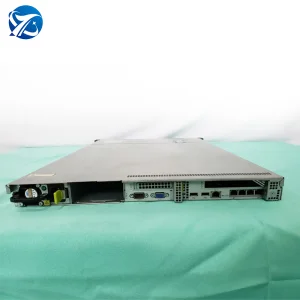
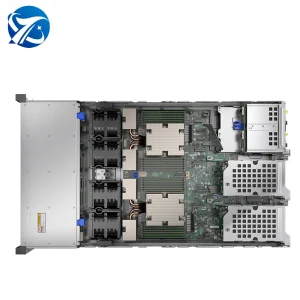
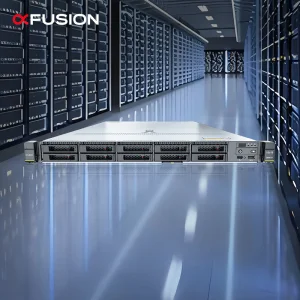
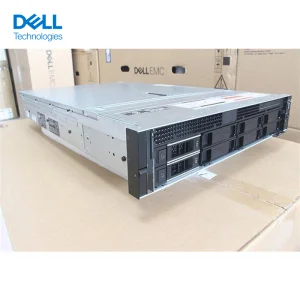
Ensure that memory module configurations match the requirements of systems like Dell PowerEdge, HPE ProLiant, or xFusion nodes. Check SPD programming, operating voltages, and rank distributions.
Verify that components use major OEM DRAM dies (Samsung, SK Hynix, Micron). High-grade silicon ensures signal stability at high speeds.
Ask suppliers for testing documentation, including burn-in reports, high-temperature testing, and system-level validation under maximum workloads.
The server architecture landscape is evolving, driven by high-density workloads and the transition to Compute Express Link (CXL) technologies. Keep an eye on these emerging trends:
CXL technology allows servers to pool memory resources across PCIe interfaces, enabling dynamic allocation of memory capacities between processors and GPUs.
High-density DDR5 DIMMs run warmer due to integrated PMICs. Future systems will increasingly adopt direct-to-chip liquid cooling for memory blocks to maintain stable temperatures.
Development is underway for DDR6, which aims to double data rates compared to DDR5, supporting the throughput requirements of future high-performance computing clusters.