NexaGPU
NexaGPU
NexaGPU
Enterprise-grade computing hardware optimized for residential prototyping, virtualization, and local AI clusters.
From hobbyist playgrounds to mission-critical sandbox nodes for enterprise engineering.
In the contemporary digital era, the boundaries separating enterprise data centers from home labs have dissolved. Home lab servers, traditionally configured by software developers and systems administrators for light scripting or basic network-attached storage (NAS) duties, have evolved into high-performance localized computing nodes. Today's home lab hosts virtualization clusters, compiles massive codebases, coordinates microservice fabrics (Kubernetes, Docker Swarm), and processes multi-billion-parameter local AI models via dedicated GPU resources.
This transformation is driven by several macroeconomic and technological vectors: the escalating costs of public cloud infrastructure, security concerns associated with sending proprietary data to remote systems, and the arrival of highly complex local AI models, such as DeepSeek-R1 and Llama-3. Modern engineers require dedicated bare-metal environments to safely run containers, manage continuous integration and deployment (CI/CD) pipelines, and simulate enterprise network architectures (utilizing switches like H3C 10G/40G configurations) without recurring metered billing fees.
Running local AI models requires low-latency, high-throughput memory channels and dense GPU nodes. China's custom home lab builds incorporate refurbished and OEM enterprise hardware to lower the entry cost of running multi-billion-parameter neural networks at home.
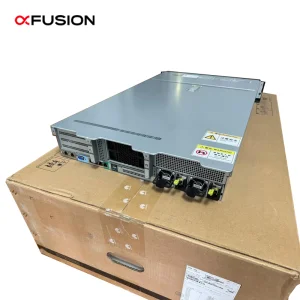
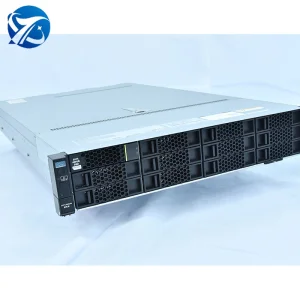
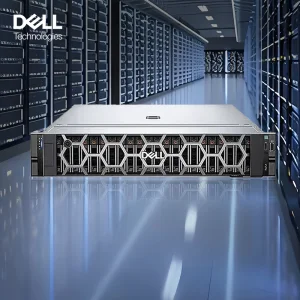
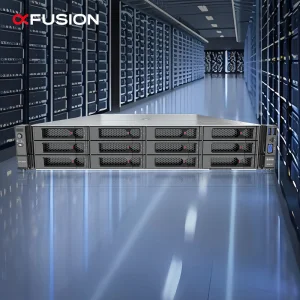
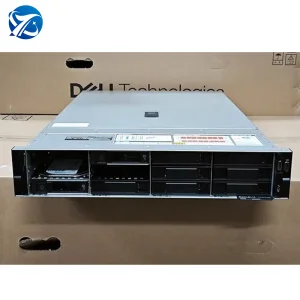
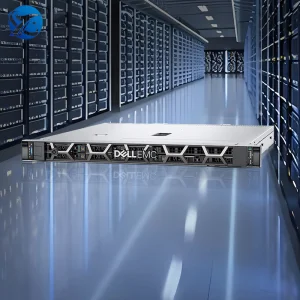
Proxmox VE, VMware ESXi, and Unraid require robust ECC memory support and high core counts. Utilizing enterprise-grade platforms like the Dell PowerEdge R750XS or xFusion 2288H series yields the stable foundation required for multi-tenant virtual machines.
Developers utilize home lab environments as miniature mirror-environments of their company's AWS or Azure deployments. Testing deployments locally prevents cost overruns during structural builds and system architecture refinement cycles.
Analyzing the supply chain density, engineering customization, and cost-to-performance metrics.
Purchasing server components and bare-metal systems individually in Western consumer markets often comes with steep pricing and limited customization options. In contrast, sourcing from Chinese electronics clusters—specifically hubs in Shenzhen, Dongguan, and Guangzhou—grants direct access to the global manufacturing source. By collaborating with specialized developers like NexaGPU, B2B procurement professionals and individual hobbyists can source customized rackmount servers built with precise system profiles.
The manufacturing efficiency of Chinese factories is not just about lower assembly costs. It is rooted in deep supply chain ecosystems. Within a 50-mile radius of the assembly lines, manufacturers source specialized power supplies, passive cooling assemblies, high-quality SAS controllers, and high-frequency DDR5 ECC memory kits. This density enables rapid prototyping and short development cycles for customized configurations.
Direct partnerships with DDR5, SSD controller, and controller card fabricators minimize the markup of intermediate distribution layers.
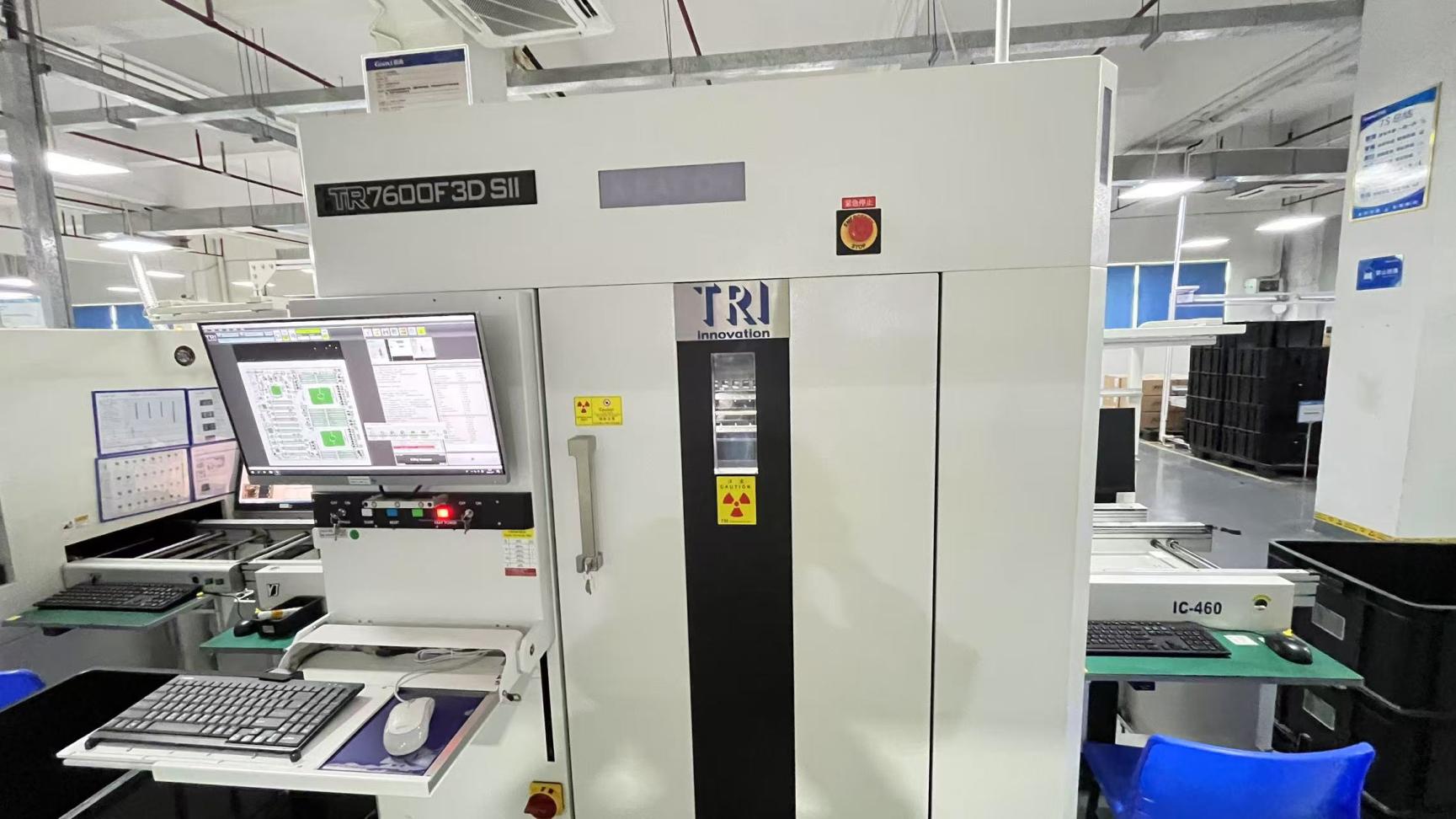
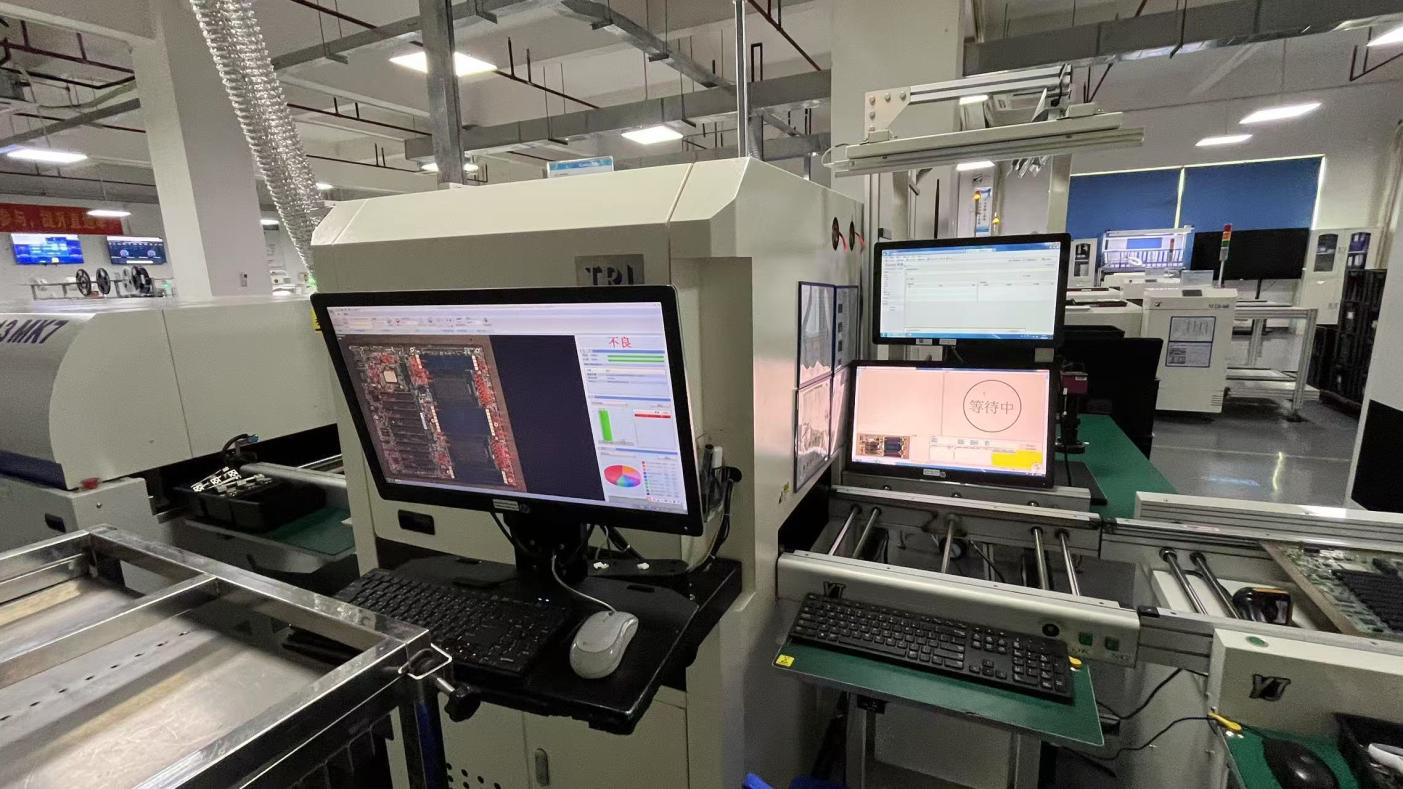
Custom builds undergo thorough burn-in validations, memory testing with MemTest86, and thermal profile analysis under peak computing loads.
Custom chassis dimensions, optimized acoustic configurations, and variable PCI extension brackets match specific deployment needs.
Repurposing high-quality server chassis and motherboards contributes to circular economy models and keeps high-grade gear out of landfills.
Corporate transparency, production metrics, and industry authority validation.
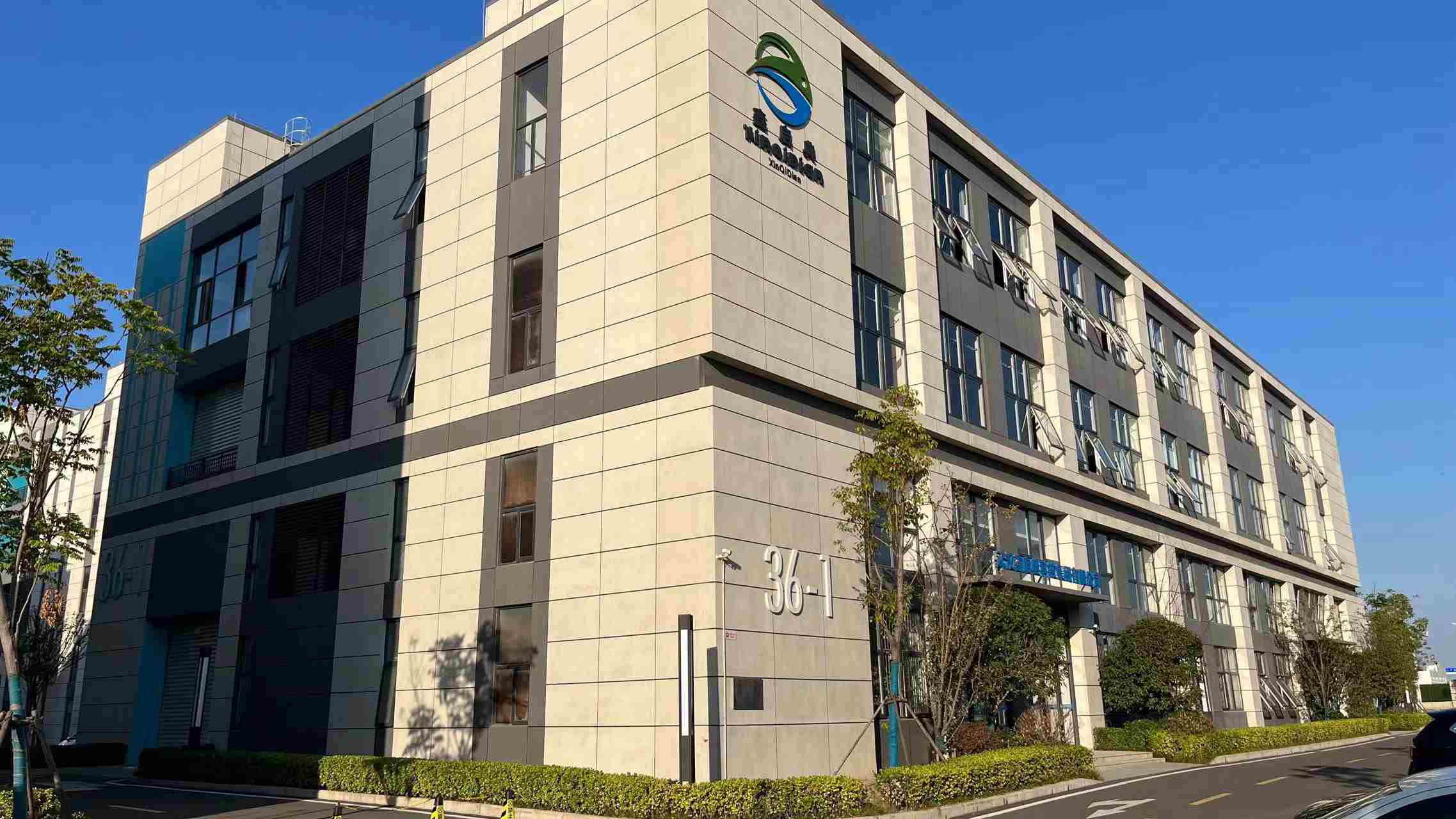
Established in 2016, NexaGPU has positioned itself as an industry leader in customized AI hardware and high-performance home lab environments. Over the past decade, we have leveraged the robust manufacturing landscape of China to deliver specialized compute infrastructure for international business buyers, researcher laboratories, and individual server users.
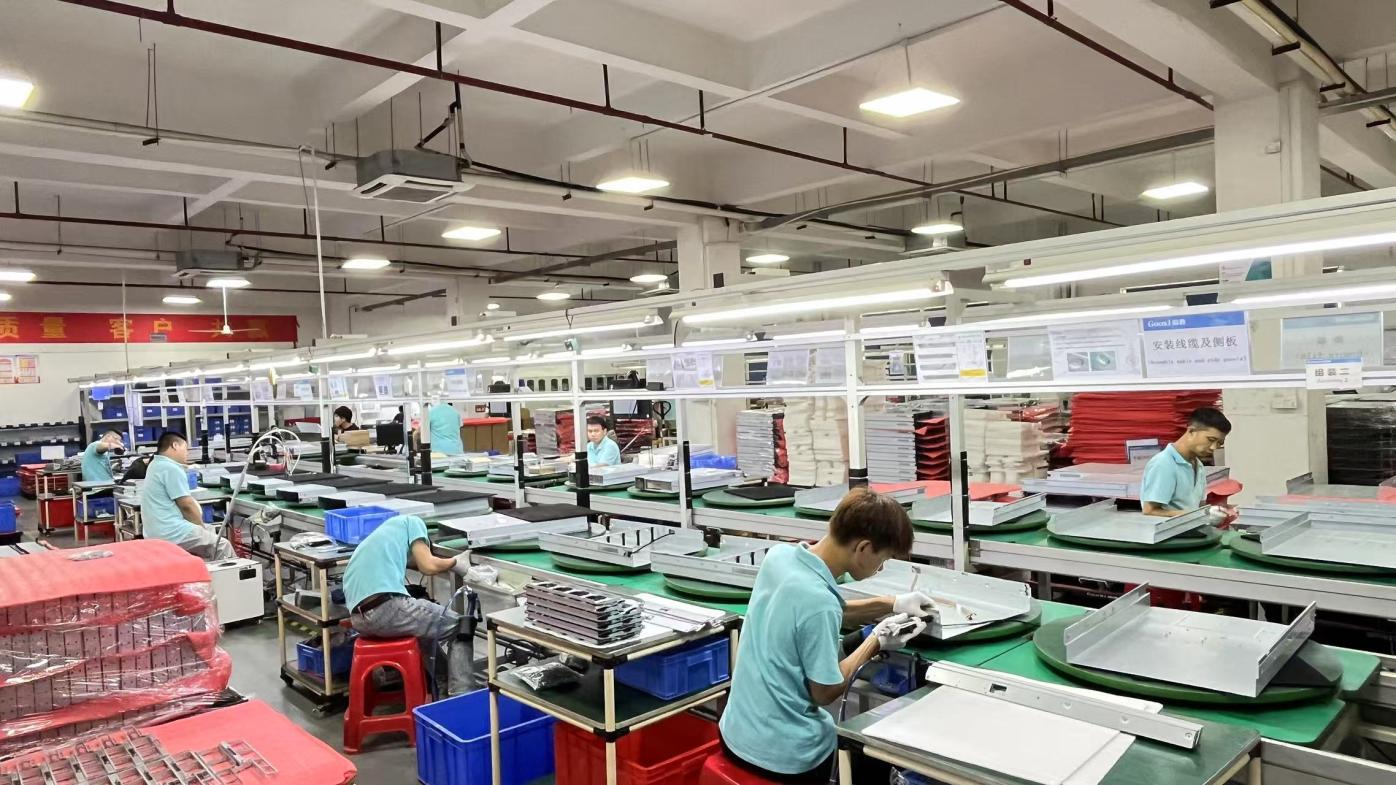
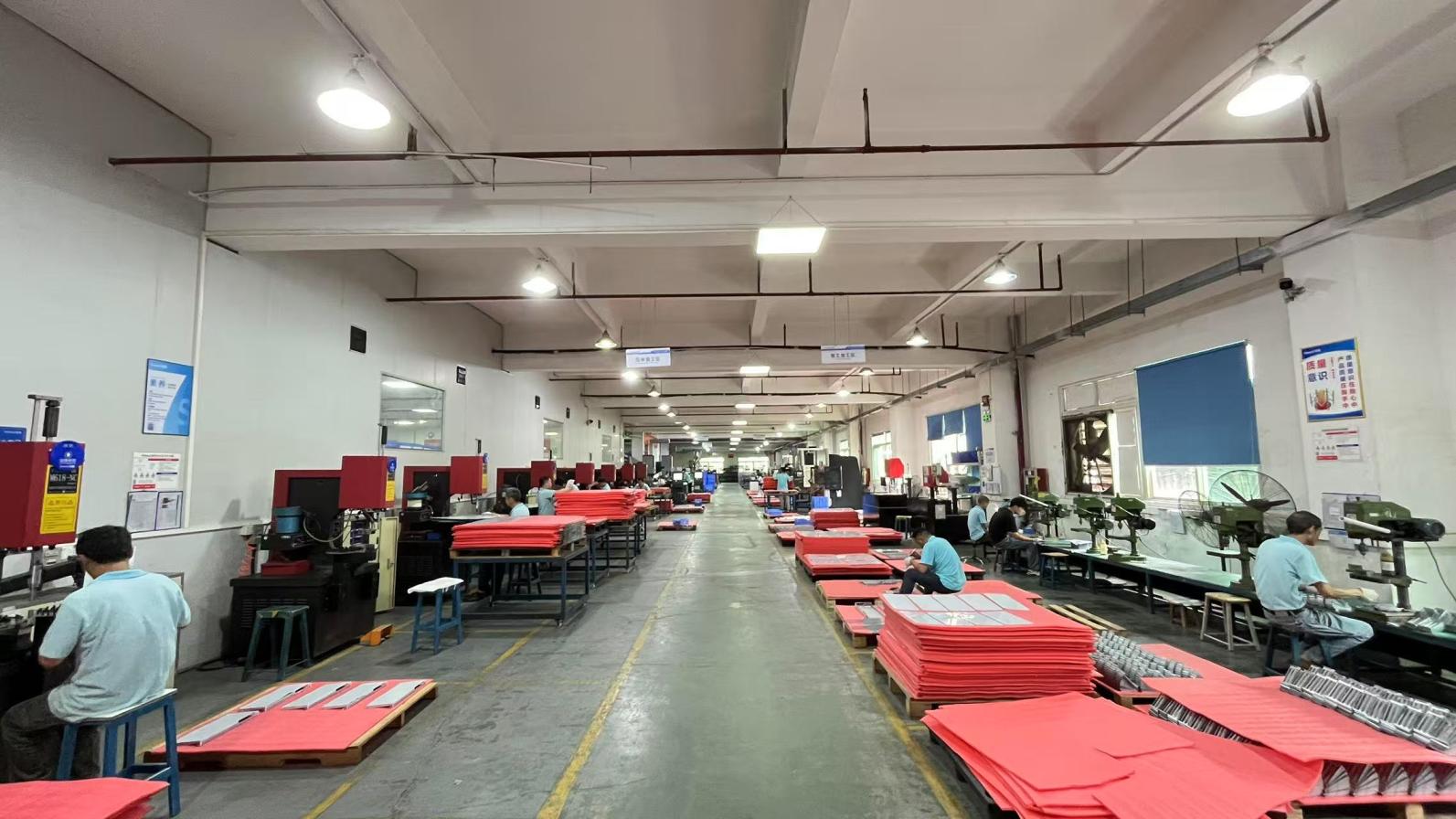
Our dedicated operations utilize specialized R&D centers, strict quality assurance protocols, and close relationships with chip manufacturers. We operate a modern assembly facility with a building area of approximately 320㎡ dedicated to final validation, hardware alignment, thermal stress testing, and packaging configurations. Backed by 11 years of deep industry expertise, NexaGPU ensures that every server shipment complies with global testing standards.
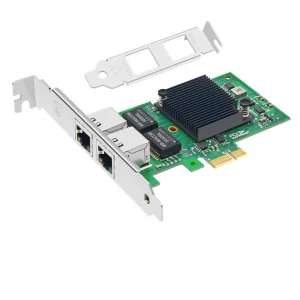
To assure reliability in remote home labs—where hardware diagnostics can be challenging—NexaGPU applies a comprehensive multi-stage inspection pipeline. Each machine undergoes 24 to 72 hours of persistent CPU and memory stress cycles using specialized tools, followed by diagnostic scans of internal SAS/SATA RAID modules, drive arrays, and network interface cards (NICs).
Analyzing application matrices for modern high-performance local computing setups.
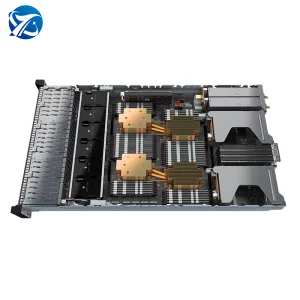
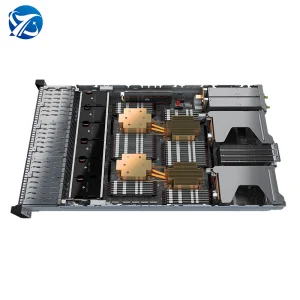
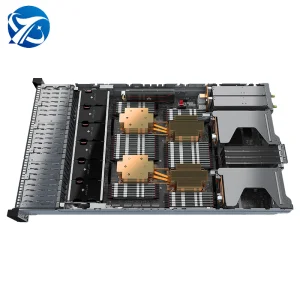
With localized artificial intelligence development accelerating, home lab servers equipped with high-density GPU platforms (such as the Fusion 2288H V7 AI Server) allow users to run advanced LLM networks locally. This avoids subscription costs and preserves absolute control over private datasets.
Running operating software like TrueNAS, Unraid, or custom Linux storage packages requires highly reliable SAS/SATA controller architectures. Adding products like the Array Card XC470C-M-8i provides the hardware-level data parity and high read/write speeds necessary for modern networks.
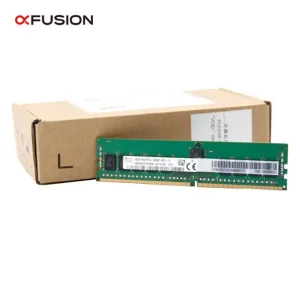
Managing multiple running services, database configurations, and web nodes requires high system memory densities. Deploying DDR5 ECC RAM modules (like the XFusion DDR5 RDIMM 6400MHz series) prevents silent data corruption errors, guaranteeing stability under continuous operational stresses.
Balancing heat generation, power distribution, and processing performance in residential environments.
Selecting the ideal bare-metal host for your home lab involves matching hardware components with your primary usage scenarios. Traditional consumer PCs lack the reliability, PCIe lane density, and memory checking features required for hypervisor configurations. By employing enterprise-class bare-metal servers, users gain key performance and reliability capabilities:
In high-density virtualization setups running continuous Docker containers or virtual machines, memory bit-flips can crash the parent hypervisor. Using products like the XFusion DDR5 ECC RDIMM provides active fault protection by identifying and correcting single-bit errors in real time. This stability is critical for setups hosting primary network firewalls, home automation nodes, or financial ledger programs.
Modern machine learning workflows require substantial PCI Express bandwidth. Standard consumer CPUs typically max out at 20 to 28 PCIe lanes, limiting expansion options once storage controllers are installed. Enterprise processors, such as those in the FusionServer 2488H V6 or xFusion 2288H V7 AI Server, provide up to 128 PCIe Gen 4/5 lanes. This architecture supports multi-GPU arrays, high-speed SAS storage pools, and 40G network switches without bandwidth throttling.
For network-attached storage applications, running disk drives without dedicated caching controllers exposes datasets to write-hole corruption risks during power outages. Integrating hard drive architectures with a dedicated SAS card (like the Array Card XC470C-M-8i) introduces an onboard cache pool. This configuration ensures consistent write performance and safe data caching even under heavy, concurrent network usage.
Evaluating the trajectory of performance, cooling, and remote management technologies.
As enterprise processors run warmer, manufacturers are adapting layouts for domestic environments. This includes designing custom water-cooling blocks and lower-RPM fan profiles to minimize background noise in home office settings.
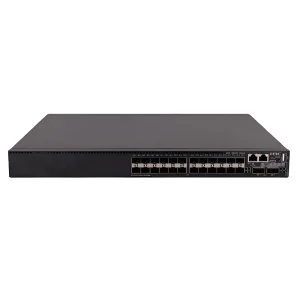
Gigabit ethernet can become a performance bottleneck when editing raw video streams or handling massive database transfers. Integrating networks like the H3C S6520X-30QC-EI 10G/40G core switch allows home labs to process multi-gigabit workloads without congestion.
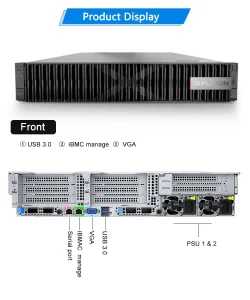
Modern installations rely on dedicated remote controllers. Out-of-band management cards allow administrators to modify BIOS values, monitor temperature arrays, and update software environments remotely from a web browser.
Answers to common B2B procurement queries and technical setup configurations.
Scalable storage architectures, multi-core processing nodes, and networking equipment to round out your system.