NexaGPU
NexaGPU
NexaGPU
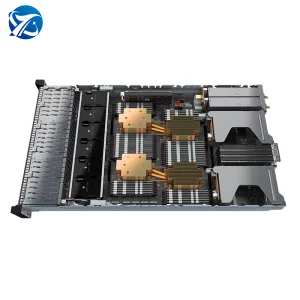
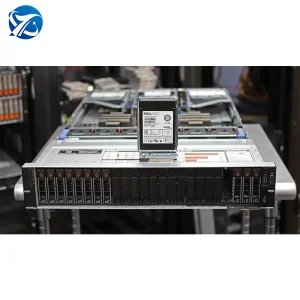
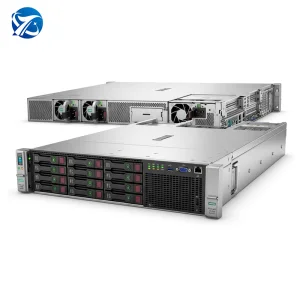
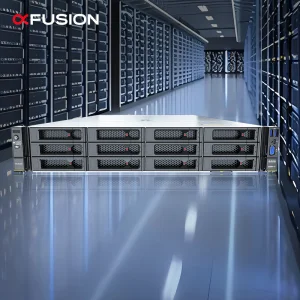
In the contemporary digital-first economy, data has evolved into the lifeblood of global enterprises. Hardware failures, regional network blackouts, environmental anomalies, and cyberattacks present existential threats. To mitigate these risks, leading enterprises leverage Disaster Recovery as a Service (DRaaS) to establish hot, warm, or cold failover environments. These configurations guarantee that applications remain operational under severe disruptions.
True resilience begins at the physical infrastructure tier. Software-defined disaster recovery is only as robust as the bare-metal servers executing replication scripts and hosting hypervisor clusters. For high-availability virtual machines (VMs) and database engines to sync without latency gaps, specialized servers configured with multi-core processors, massive memory channels, and enterprise-grade solid-state drives are mandatory.
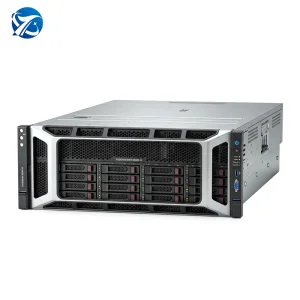
Banking cores demand a Recovery Point Objective (RPO) of near-zero and a Recovery Time Objective (RTO) measured in seconds. Deploying multi-socket, high-density computing platforms (such as the 2488H V6 4-Socket configuration) enables real-time transactional replication across distributed databases, preventing transaction drops and system inconsistencies.
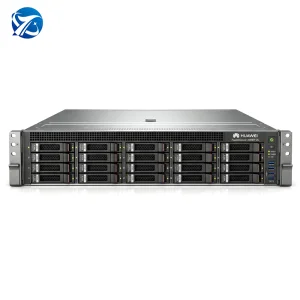
Medical environments require zero downtime to preserve patient safety and maintain compliance. Dual-socket rack configurations equipped with ECC memory protect memory registers from bit-flips during block-level storage replication, ensuring database transactions remain consistent.
E-commerce portals suffer severe financial losses for every second of downtime. By utilising hyperconverged infrastructure (HCI) frameworks powered by Intel Xeon systems, workloads dynamically shift to failover targets during peak traffic spikes or cloud node outages.
The global market for DRaaS is expanding rapidly, driven by the global transition to hybrid cloud environments and strict corporate mandates for backup redundancy. Modern DRaaS requires massive computing power to ingest, deduplicate, and encrypt petabytes of replicating data. China has emerged as the global production engine for high-density computing platforms, offering unprecedented manufacturing speed, supply chain integration, and rigorous hardware testing protocols.
As a leading infrastructure partner, NexaGPU provides the hardware foundations that international cloud service providers, telecom operators, and enterprise datacenters rely on to deploy their DRaaS offerings. By coordinating raw component sourcing with advanced R&D pipelines, Chinese manufacturers export systems optimized for virtualization, virtual desktop infrastructure (VDI), database clustering, and high-performance computing (HPC) nodes.
Direct access to raw materials, PCB fabrication facilities, cooling engineering plants, and silicon integration loops minimizes assembly friction and guarantees predictable lead times.
Providing enterprise-grade, high-density server configurations at a competitive price point allows providers to scale their storage-intensive DR repositories within budget.
Systems are pre-configured to support enterprise virtualization architectures, including VMware vSphere, Microsoft Hyper-V, and Proxmox VE, ensuring drop-in compatibility.
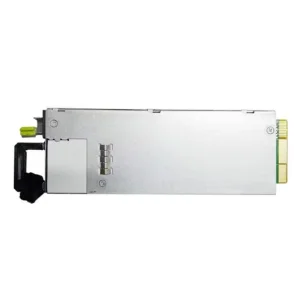
Integrating energy-efficient high-voltage PSUs and intelligent cooling fan arrays lowers operational costs and carbon footprints across global datacenters.
Designing a reliable DRaaS platform requires balancing storage throughput, computational capacity, and network processing speeds. If the physical host server experiences internal bottlenecks, replication queues build up, which increases the data loss window (RPO) and compromises business continuity.
Processor density dictates how many virtual instances a DR target can host during a failover event. Deploying multi-socket systems with 2nd, 3rd, or 4th Generation Intel Xeon Scalable processors allows the host to absorb workloads from multiple offline source systems simultaneously. High core counts ensure that critical applications do not suffer from resource starvation during emergency operations.
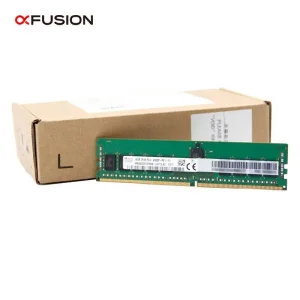
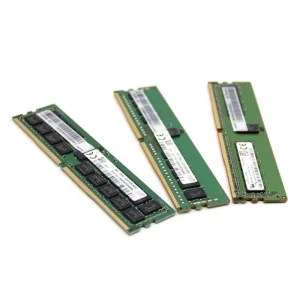
Replication software relies heavily on memory buffers to manage write IOPS before committing data to storage. Standardizing on DDR4 and DDR5 ECC RDIMM modules running at 3200MHz allows systems to capture write operations without risk of bit-level data corruption. Multi-channel memory configurations optimize system bus utilization, ensuring high data throughput during heavy replication cycles.
DRaaS host nodes must balance raw capacity with read/write performance. Combining high-speed NVMe drives for cache tiers with high-capacity SAS/SATA drives for cold storage provides an optimized storage hierarchy. This architecture allows companies to maintain historical snapshot archives while prioritizing active virtual machine volumes on flash storage.
Operating globally requires compliance with regional data protection standards. Organizations must ensure that replicate data pools comply with regulations like GDPR in Europe, HIPAA in North America, and ISO 27001 / SOC 2 Type II globally. Hardware exported for these environments must support security integrations to maintain end-to-end data integrity.
NexaGPU platforms support Self-Encrypting Drives (SEDs) and Trusted Platform Modules (TPM 2.0). This prevents physical data theft and ensures storage volumes remain inaccessible in transit or storage.
Our scalable hardware configurations allow providers to set up local DR nodes in specific jurisdictions, helping them meet local residency requirements and maintain digital sovereignty.
Every motherboard, network controller, and component is tracked from raw fabrication through assembly, ensuring secure, tamper-free hardware delivery to customer datacenters.
Disaster recovery requirements vary depending on workload types, database sizes, and application urgency. Below are typical hardware configurations optimized for specific recovery scenarios.
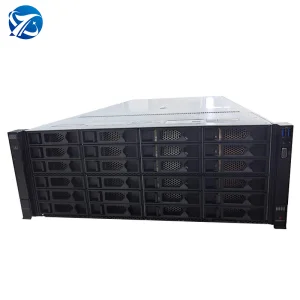
Enterprise Resource Planning (ERP) systems demand high storage and compute capacity to prevent operational disruptions. Deploying 4-socket, high-density servers (such as the 2488H V5 configured with redundant PSUs) ensures the target node can immediately assume ERP database operations without performance degradation during primary site failures.
Modern AI pipelines require high-density GPU computing for deep learning and real-time video analytics. Deploying GPU-accelerated servers (like the G5200 V7 or G5200 V5) ensures that active model training and inference processes can failover smoothly without losing current weights or checkpoint data.
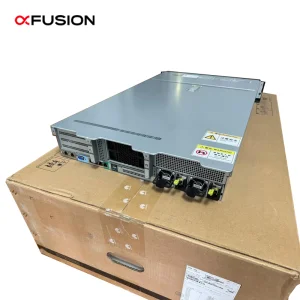
Modern cloud datacenters deploy clusters of hyperconverged infrastructure (HCI) nodes to pool compute and storage resources. Utilizing the xFusion 2288H V7 HCI server allows providers to scale DR target sites horizontally by adding modular nodes as storage and computing requirements grow.
NexaGPU is a specialized AI GPU server manufacturer and supplier, focused on designing high-performance computing infrastructure, GPU clusters, and customized server solutions for global enterprises, cloud datacenters, and AI development companies.
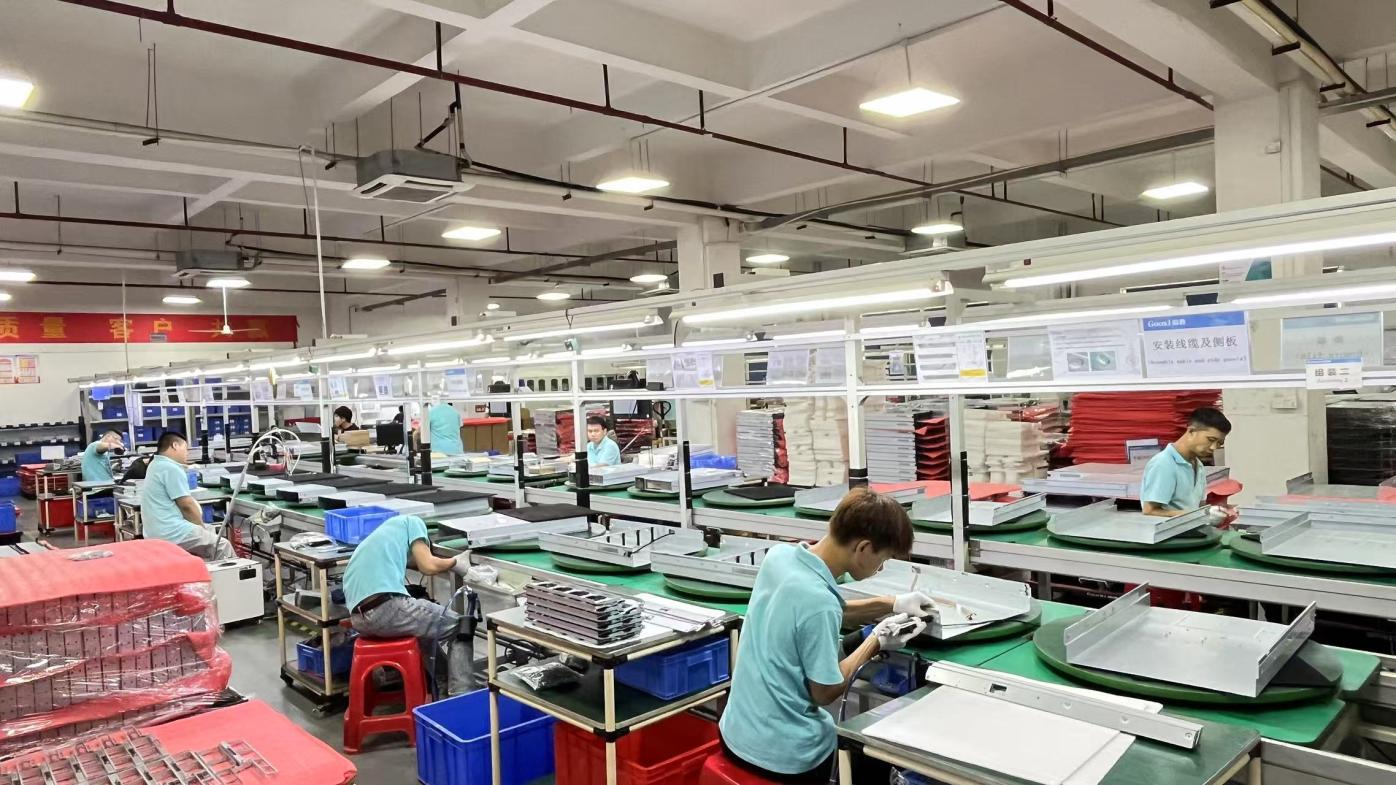
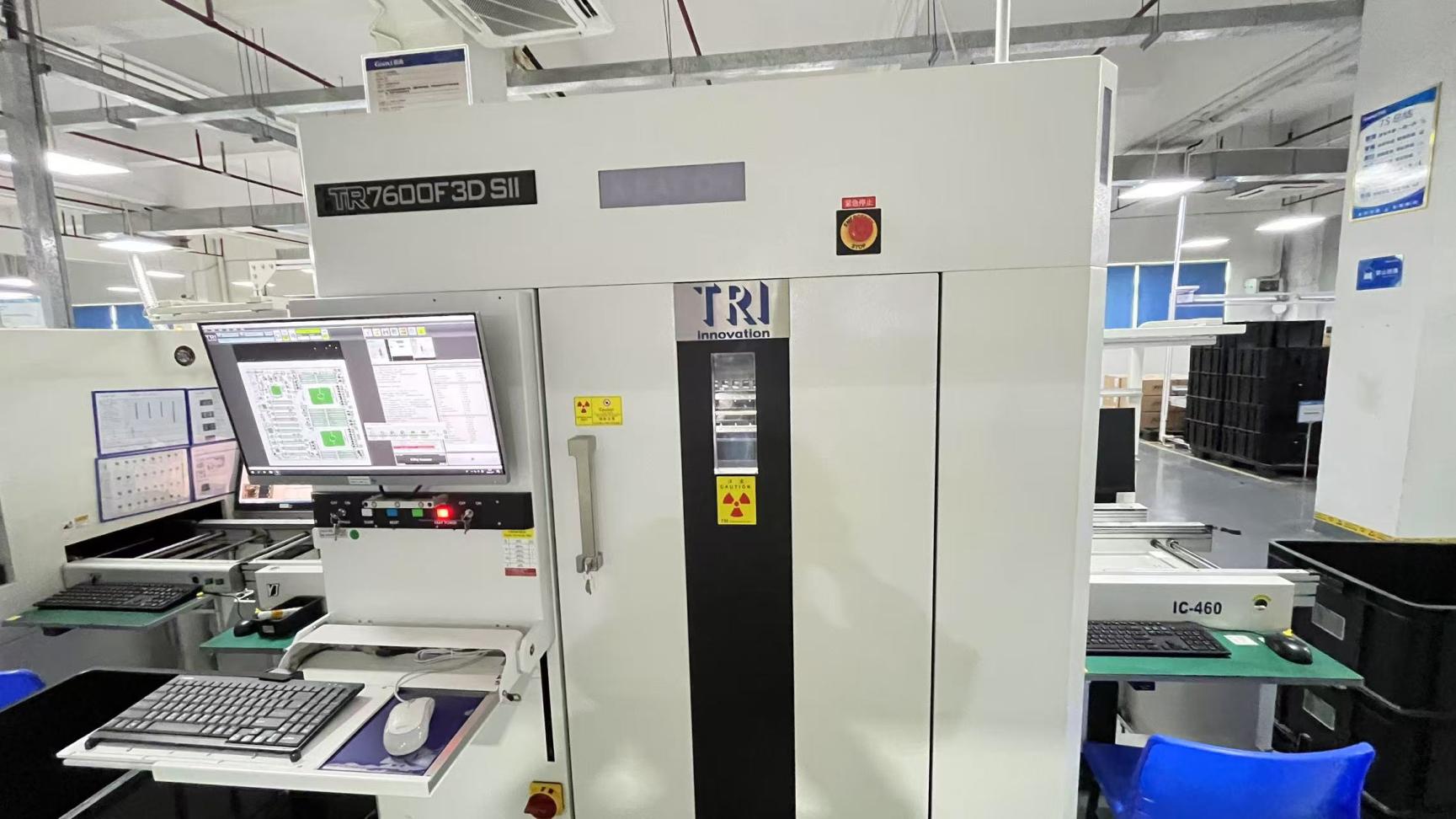
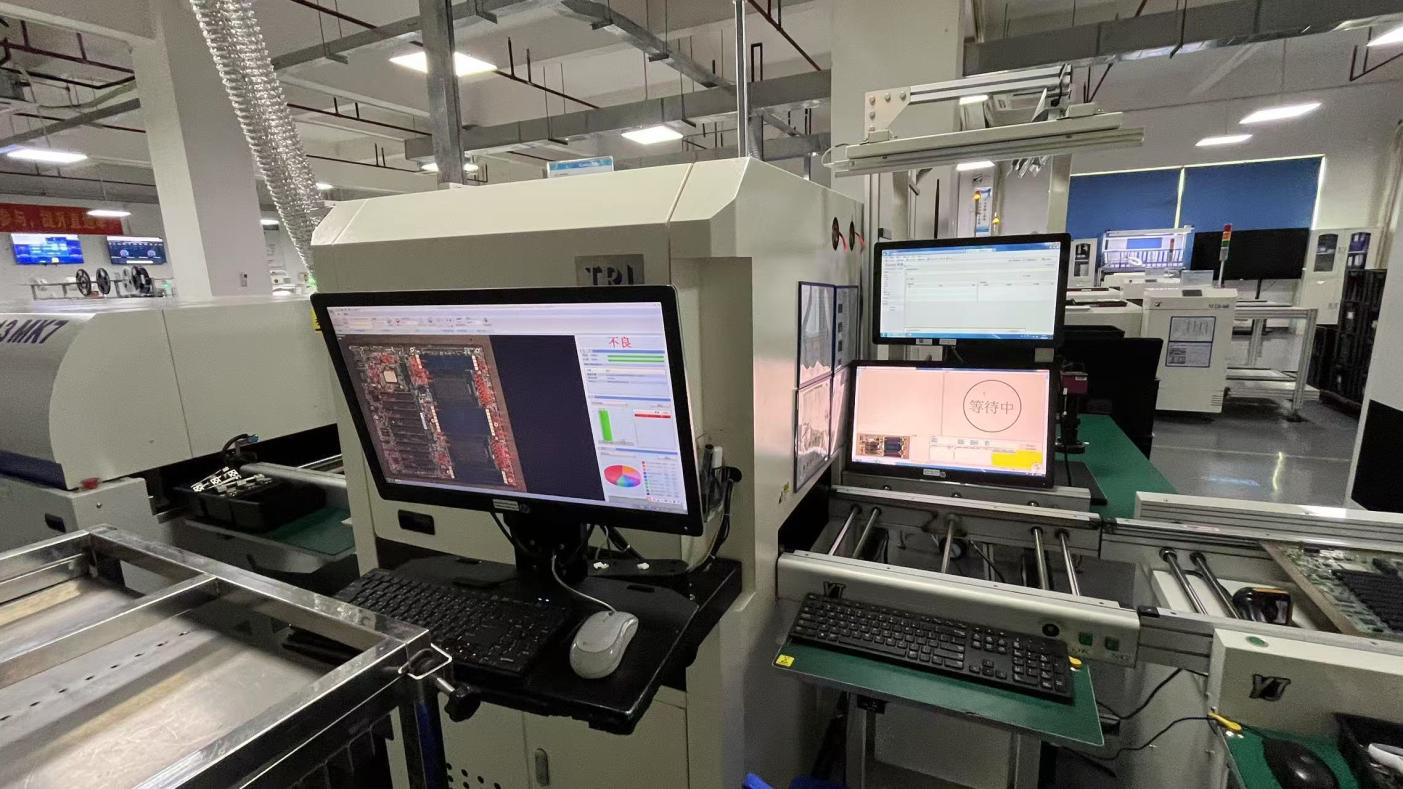
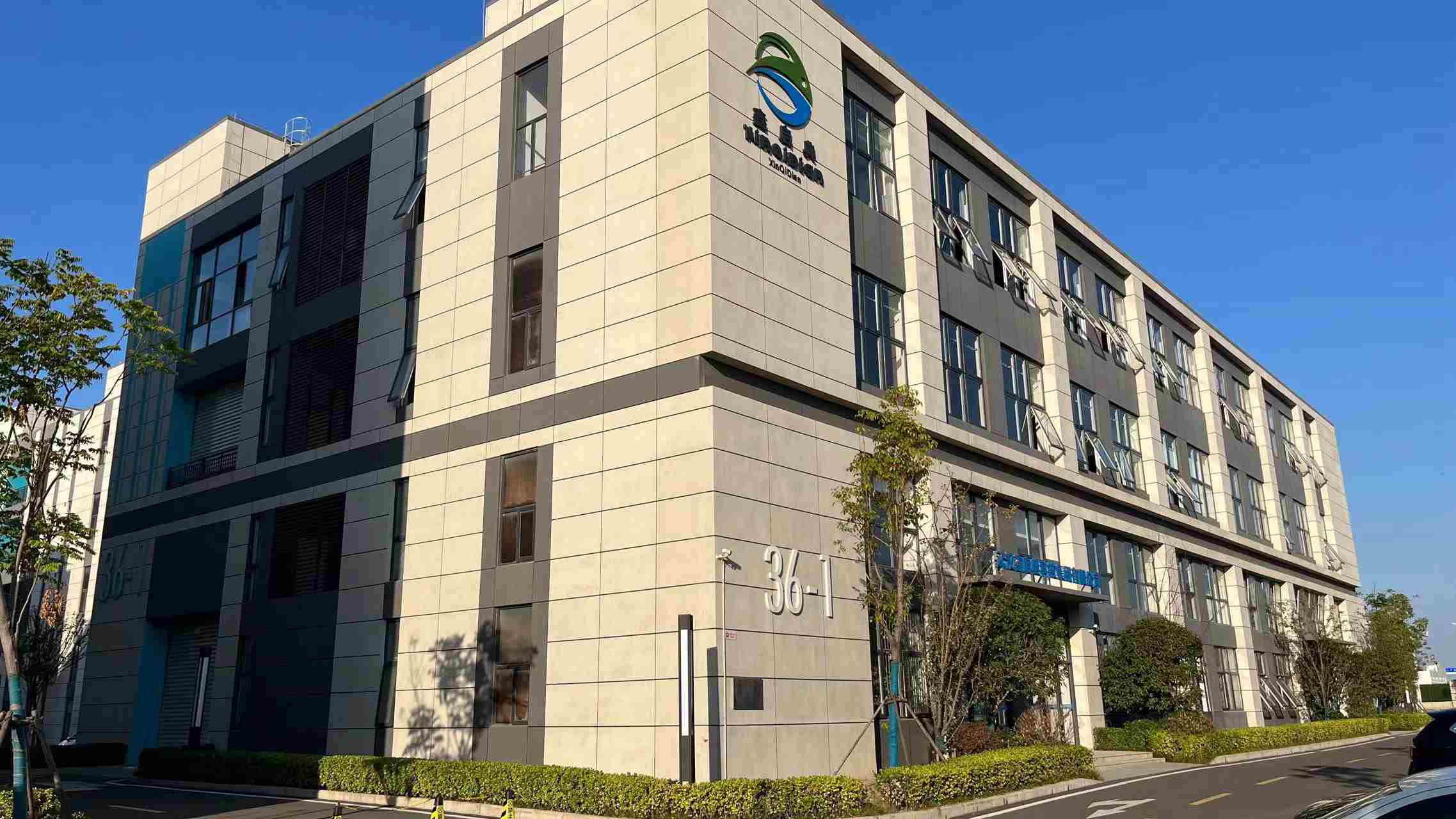
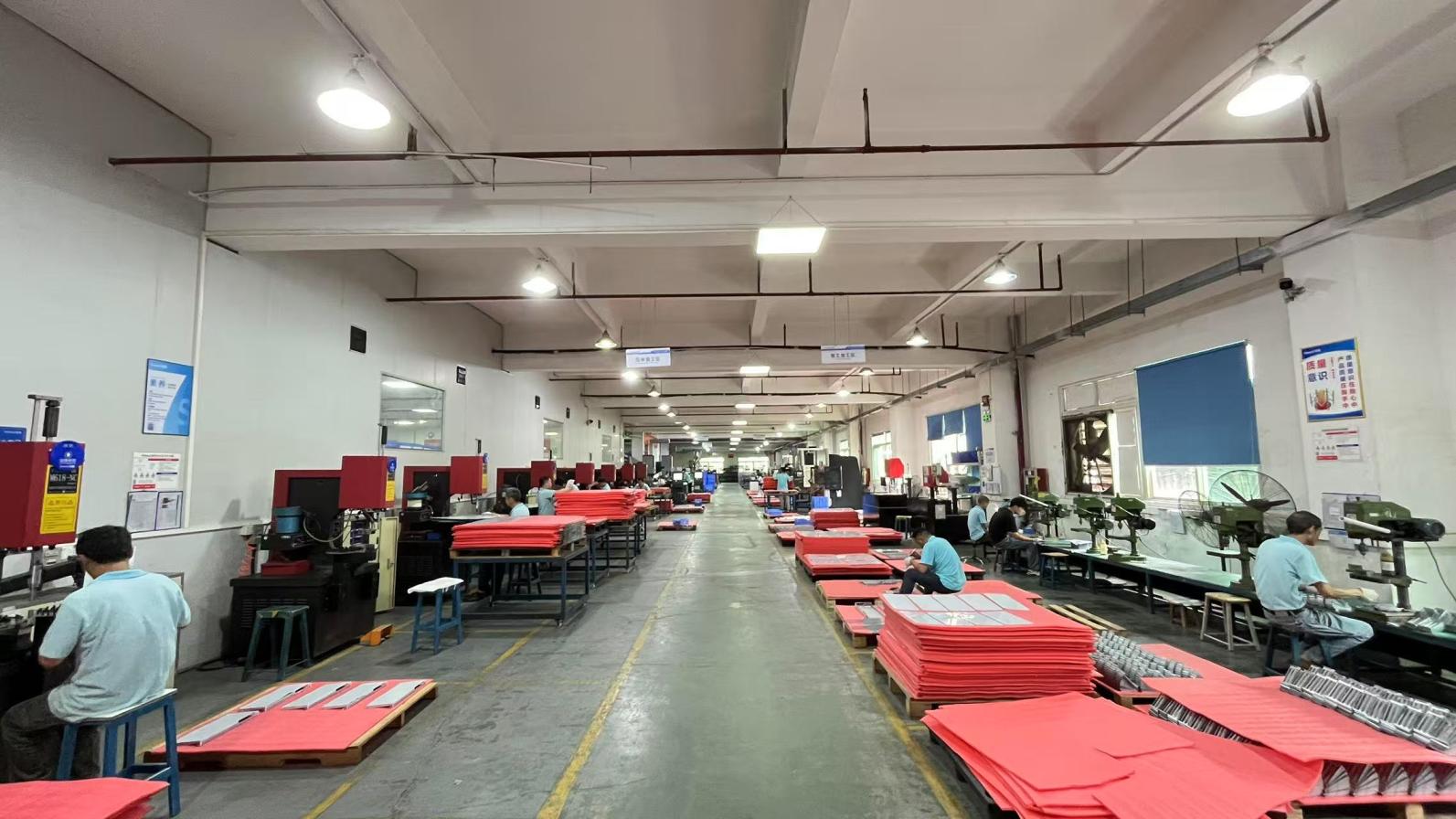
From our modern facility spanning approximately 320㎡, NexaGPU supports the assembly, testing, and optimization of enterprise servers. To ensure consistent hardware reliability, NexaGPU employs a multi-stage testing process. This includes component burn-in testing, thermal performance validation under load, and system-level stability verification before shipping.
Our global business is built on collaboration with over 850 partners, including motherboard designers, chassis manufacturers, chip providers, and custom liquid-cooling vendors. This network enables NexaGPU to deliver customized server configurations for AI startups, cloud hosting providers, and large research institutes across North America, Europe, Southeast Asia, and the Middle East.