NexaGPU
NexaGPU
NexaGPU
An Industrial Whitepaper on Sourcing High-Performance Computing Hardware and Colocation Infrastructure Solutions from China
As the demand for Artificial Intelligence (AI), Large Language Model (LLM) training, and complex computational inference scales globally, traditional data center architectures are undergoing structural transformations.
Modern colocation is no longer just about floor space and generic power grid links. Today, it demands massive electrical currents, optimized liquid-to-air cooling manifolds, high-performance physical architecture, and specialized server clusters. Decoupled compute workloads, like Deepseek or LLama-based models, necessitate custom network topologies (InfiniBand/RoCE v2) and hardware setups.
For global enterprise buyers, navigating the intersection of hardware manufacturing, assembly validation, and physical colocation hosting requires a reliable partner. The synergy between high-end Chinese manufacturing ecosystems and global tier-certified hosting providers ensures optimized total cost of ownership (TCO) and rapid time-to-market.
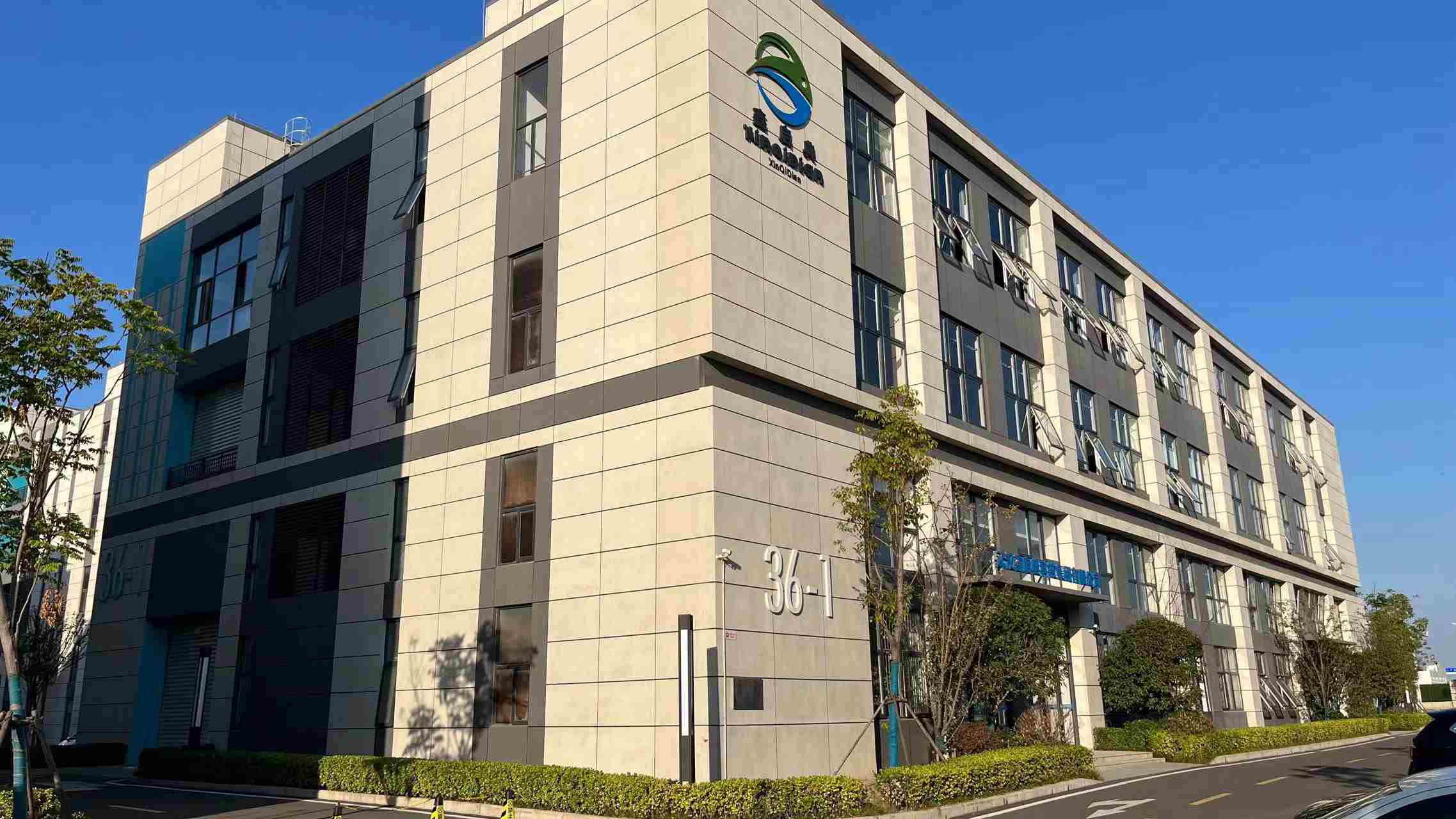
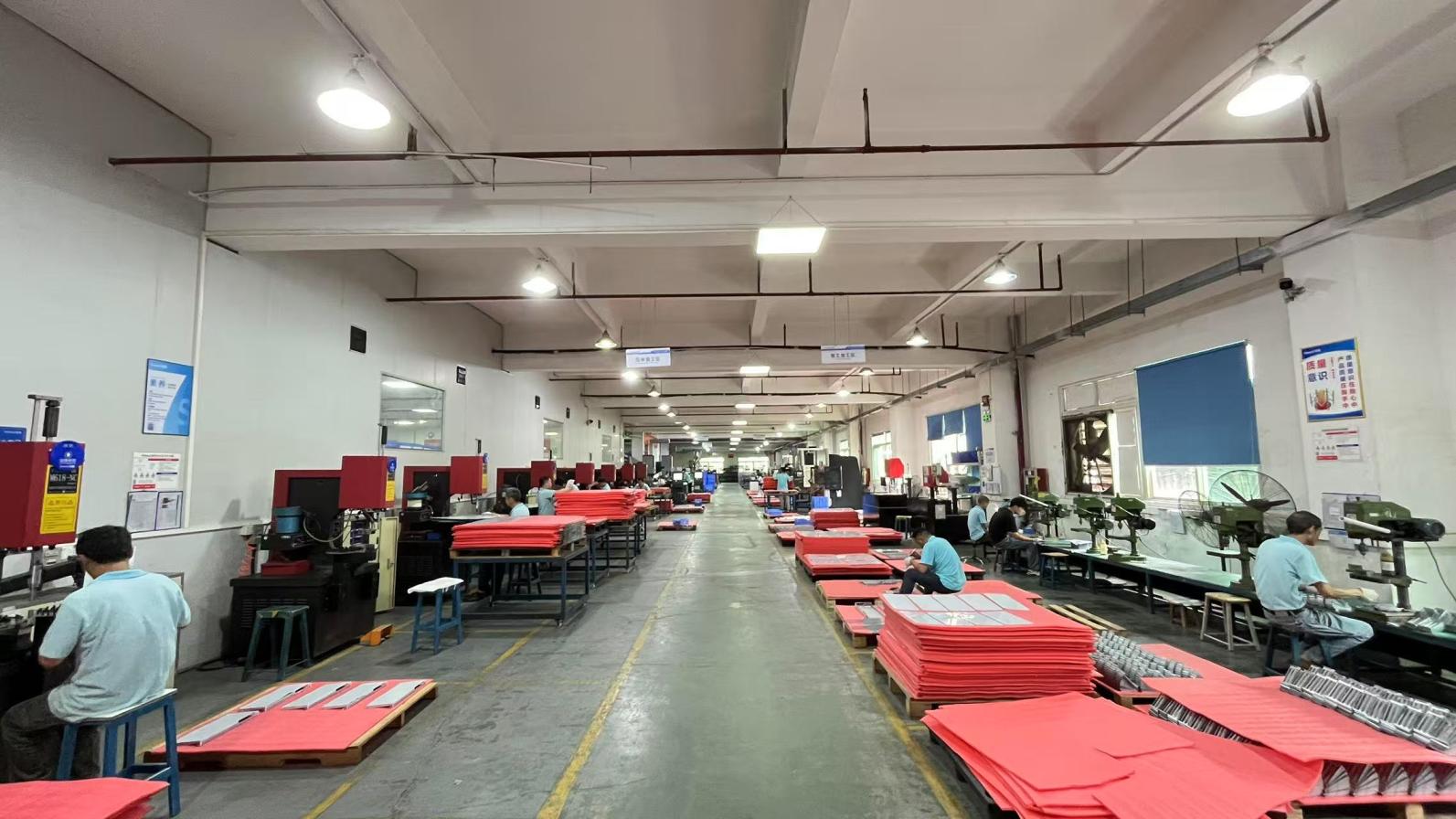
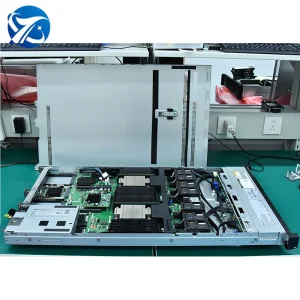
Our dedicated 320㎡ facility serves as our critical testing, validation, and engineering staging environment where advanced thermal stress-testing, OS deployments, and individual GPU calibration occur before packaging.
Backed by over 850 strategic hardware supply-chain partners, NexaGPU ensures uninterrupted component procurement, bypassing typical raw material bottlenecks that commonly delay critical hardware rollouts.
Having introduced 85 new product variations within the last fiscal year, our product roadmap responds rapidly to changing AI structures, GPU models, and thermal dissipation systems.
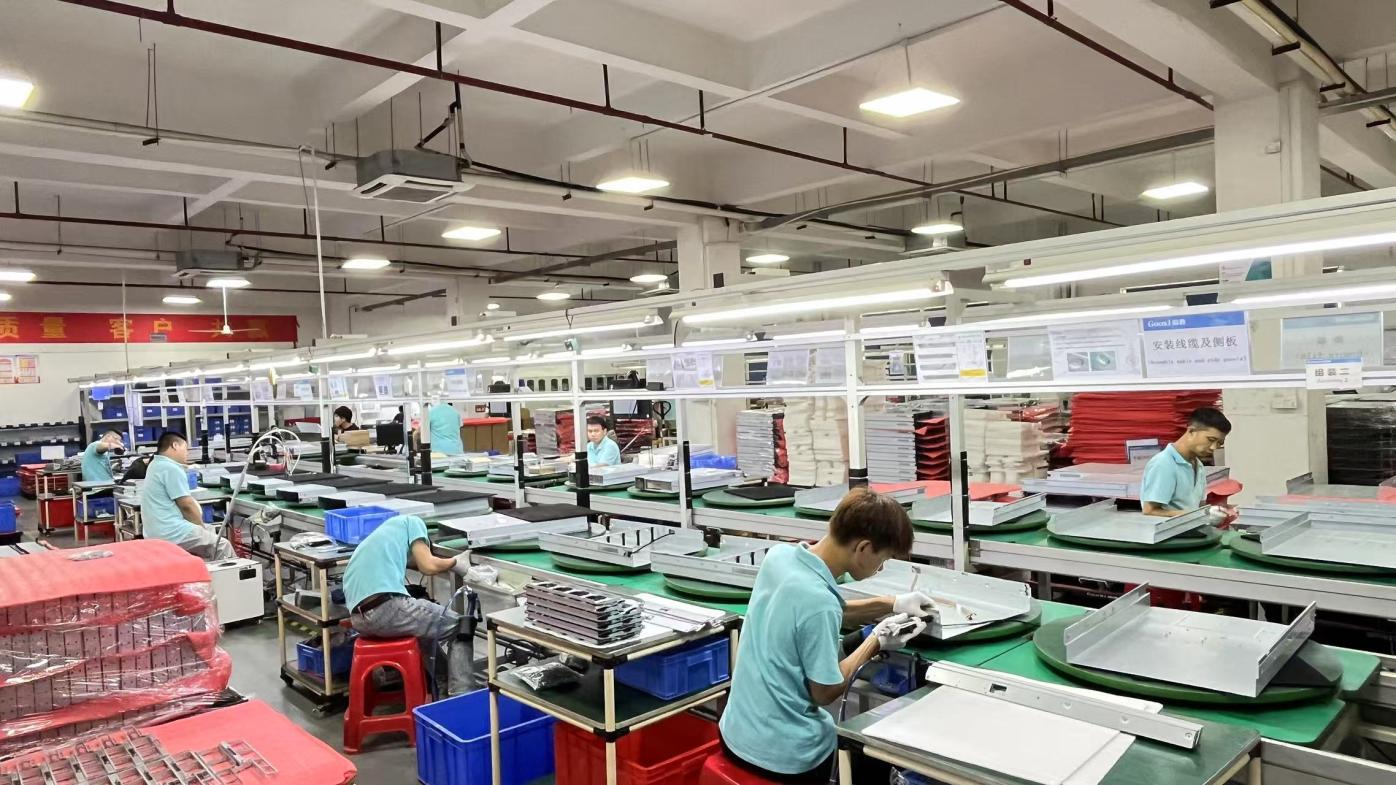
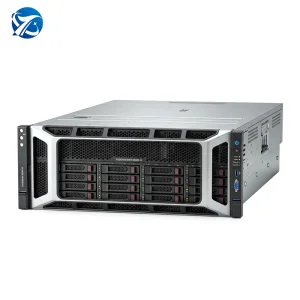
The central source of China's dominance in server manufacturing and export is its dense concentration of component fabricators, structural materials, power engineers, and thermal validation specialists. Our operations in Shenzhen allow us to optimize lead times for high-density 2U, 4U, and 8U computing platforms.
From chassis metal stamping and specialized high-wattage power supplies (PSUs) to custom cooling fans and high-bandwidth interconnect cables, every component is sourced, tested, and assembled within a tight geographic radius. This minimizes delivery time compared to fragmented supply networks.
Complete control over hardware component configurations, motherboard revisions, and firmware profiles.
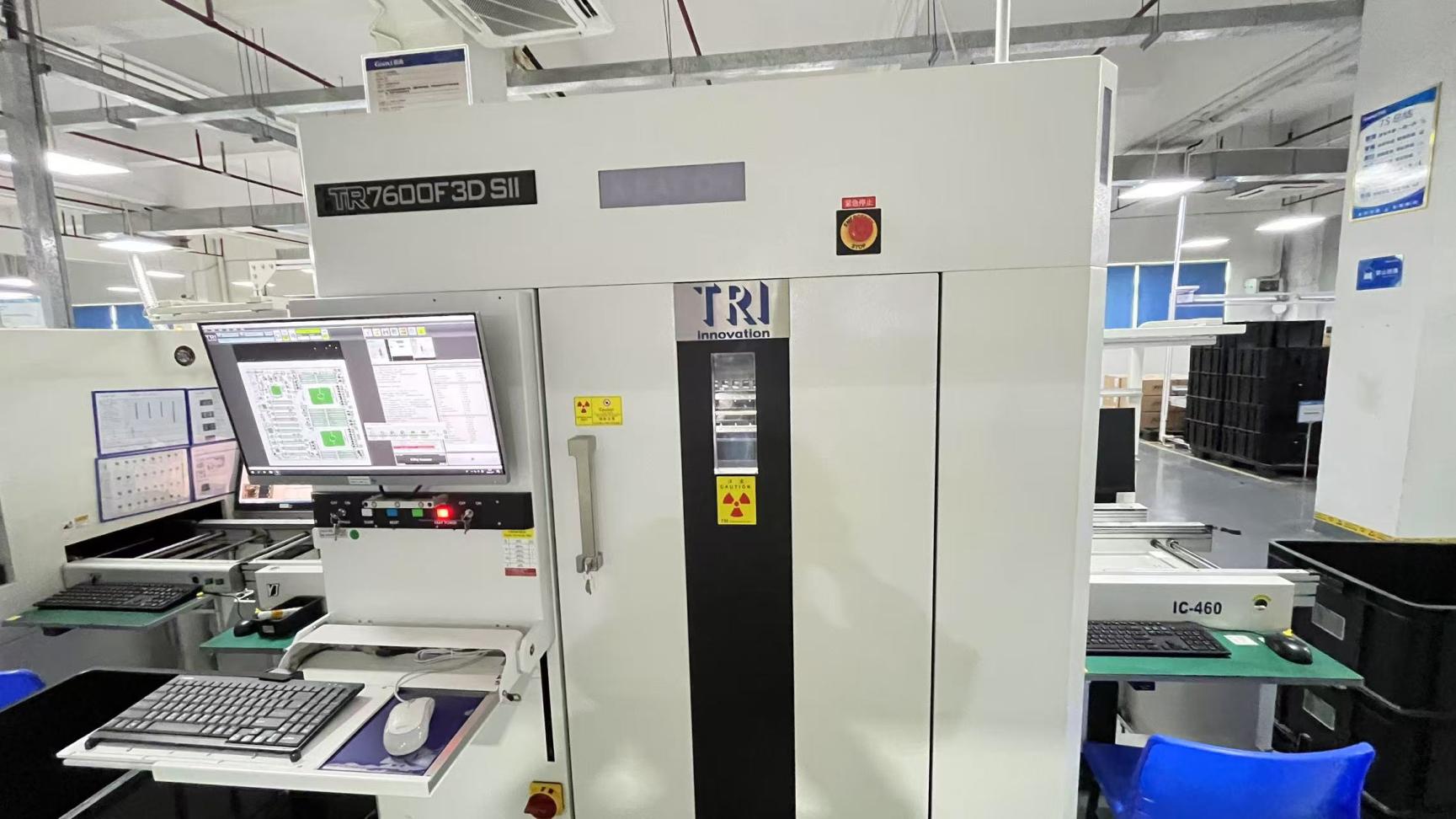
Rigorous stress testing protocols overseen by 45 QC experts, including prolonged thermal validation.
Highly efficient production practices lower capital expenditure (CapEx) for massive cluster rollouts.
Deploying AI hardware in foreign jurisdictions requires alignment with international data security frame structures. NexaGPU ensures exported servers comply with CE, FCC, RoHS, and UL guidelines. We coordinate with local data centers to maintain compliance with GDPR, HIPAA, and regional cybersecurity laws.
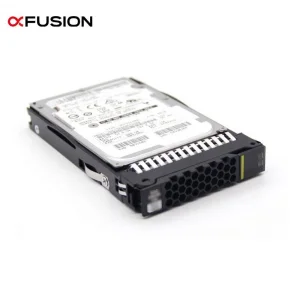
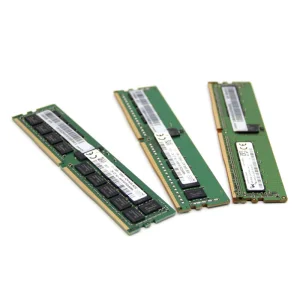
To address the post-sale lifecycle, we coordinate with regional colocation providers to offer "smart-hands" technical support. This guarantees that replacement parts—such as fans, memory modules (RDIMM DDR4/DDR5), and storage devices—are prioritized and dispatched quickly to reduce server downtime.
Integrating physical hardware with existing cloud infrastructure requires reliable, low-latency connectivity. Our configurations support multi-gigabit copper and optical transceivers, enabling connection to hybrid cloud frameworks, VPN tunnels, and high-speed enterprise networks.
Optimized for processing large neural networks like Deepseek. These systems support dense GPUS to accelerate tensor math, backpropagation, and token output rates.
Designed for high-definition surveillance and traffic analysis feeds. Leverages AI acceleration cards to run object detection models locally, minimizing cloud data transmission costs.
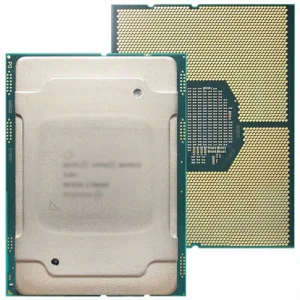
Combines x86 CPUs with low-latency PCIe storage devices to run predictive models quickly. High bandwidth storage minimizes processing delays for transactional data streams.
In colocation facilities, space and power usage translate directly to ongoing costs. Standard racks are often restricted to 5kW or 10kW limits, which can constrain high-density AI systems.
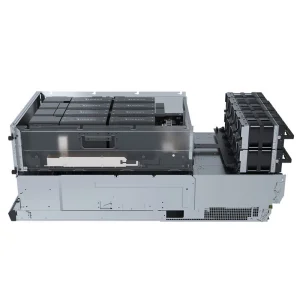
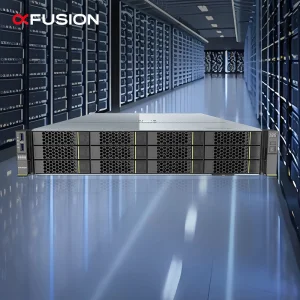
Our hardware is built for high density, allowing operators to deploy multi-socket CPUs and multiple GPU expansion slots in a 2U rack mount. This maximizes processing power per rack unit.
Combined with high-efficiency cooling sinks, customized fan configurations, and support for liquid-cooling modules, these servers help prevent thermal throttling and improve operational efficiency (PUE).
Procuring high-performance servers from China involves managing component lead times, shipping logistics, and compliance checks. Enterprise buyers can optimize this process by choosing suppliers with established global distribution experience.
A key factor in selecting a hardware partner is their R&D and QA testing capability. Suppliers with dedicated validation labs can perform thorough system verification and burn-in testing before shipping, reducing on-site deployment issues.
Furthermore, building relationships with component suppliers ensures access to critical hardware spare parts, protecting systems from supply disruptions.
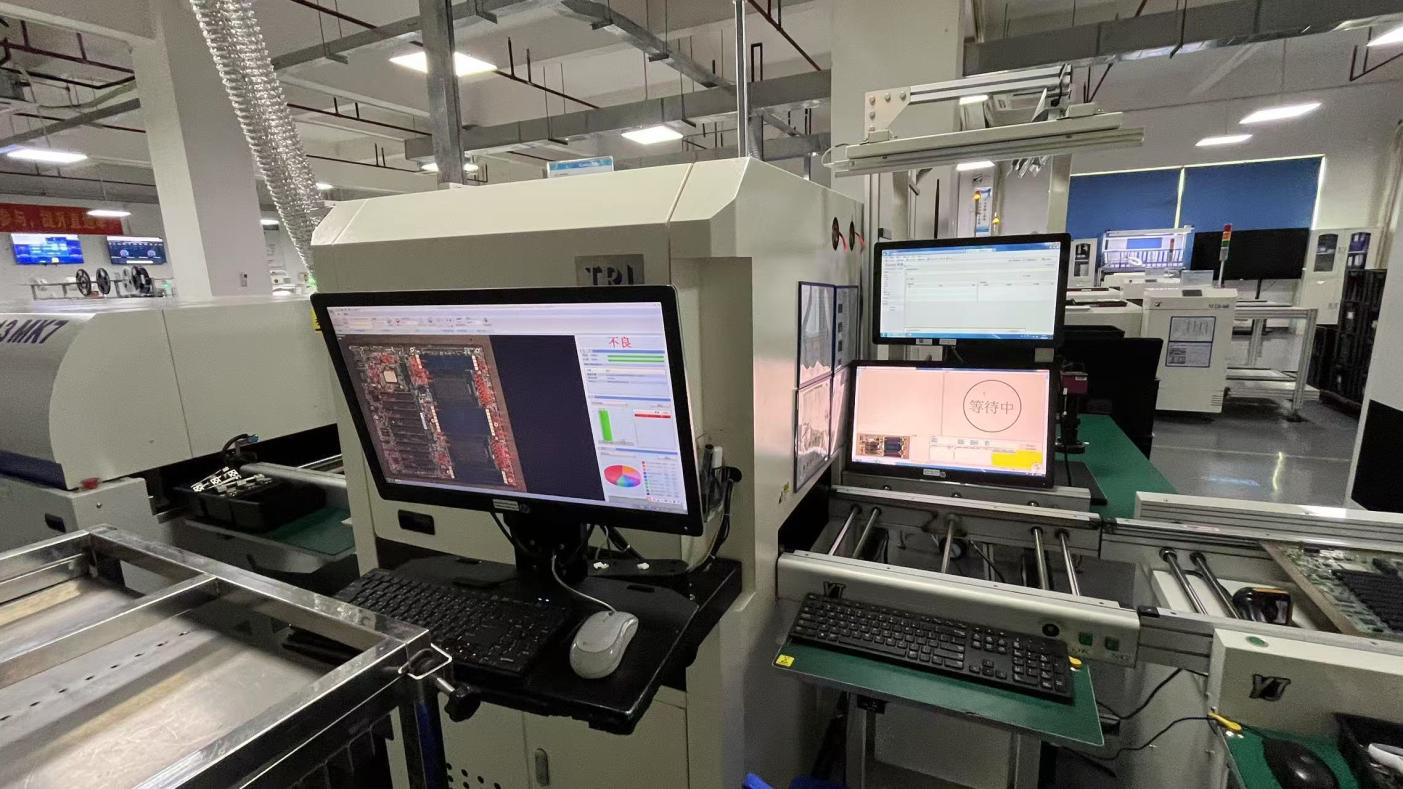
To ensure reliable operation under intensive workloads, NexaGPU implements a strict multi-stage inspection process before shipping hardware. Every system is tested for component integrity, connectivity, and performance stability under load.
Our testing includes system stress tests, data read/write verification, and thermal profiling under varying environments to confirm that cooling setups function correctly before deployment.
These validation procedures are carried out by our team of 45 quality assurance specialists, ensuring all shipped systems meet our functional and reliability benchmarks.