NexaGPU
As we look toward 2026, the demand for advanced artificial intelligence capabilities continues to rise. This growth will heavily influence the landscape of artificial intelligence server manufacturers. Companies that excel in this field will likely lead the industry, pushing boundaries in performance and efficiency.
Top manufacturers will need to develop servers that support complex AI models. They must balance speed, power consumption, and scalability. This is no small feat, and not every player will succeed. Companies that fail to innovate may fall behind.
The competition will be fierce. Established brands may struggle to keep pace with emerging contenders. The landscape is changing; adaptability will be crucial. Therefore, understanding the top artificial intelligence server manufacturers in 2026 provides valuable insights. Their innovations can reshape industries and drive technological advancements forward.
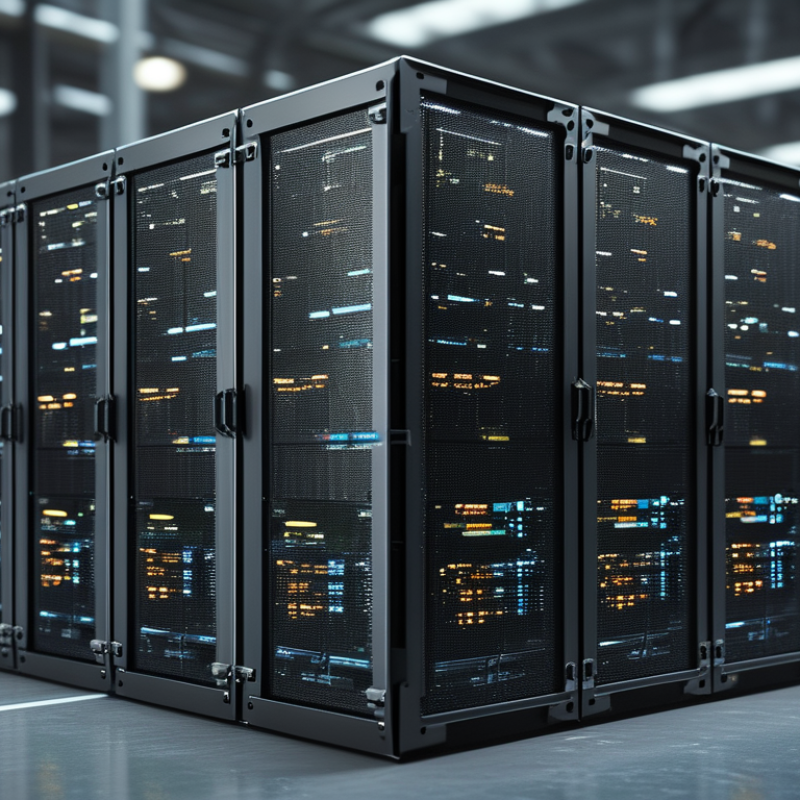
The artificial intelligence server market is poised for significant evolution by 2026. As businesses adopt AI solutions, the demand for powerful computing systems will increase. Enhanced processing power, memory, and specialized hardware will be critical for handling large data sets. This shift pushes manufacturers to innovate and design servers that cater specifically to AI workloads.
There are challenges in this rapidly transforming landscape. Companies must ensure interoperability among various AI frameworks. It's essential for manufacturers to focus on energy efficiency and sustainability. These are growing concerns for many organizations. Security is another critical area that requires constant attention. Vulnerabilities may arise as AI becomes more pervasive across industries.
The AI server market's growth will lead to diverse offerings. Expect to see an array of configurations, each tailored to specific applications. Organizations need to carefully assess their requirements. This will help in selecting the right servers. The quest for optimal performance will drive both competition and collaboration among manufacturers. Sustainability and innovation will be at the forefront of this market evolution.
In 2026, the AI server manufacturing industry is expected to witness significant growth. Industry research shows that the market could reach a value of $38 billion by 2026. This growth is driven by the increasing demand for powerful computing resources in AI applications. Companies are focusing on high-performance servers to enhance processing speeds and efficiency.
Key players in this sector will leverage advanced technologies to stay competitive. Data indicates that companies are prioritizing energy efficiency and thermal management in their designs. This focus may lead to the use of new materials and architectures. However, challenges such as high manufacturing costs and supply chain disruptions need addressing. As firms strive for innovation, they also face scrutiny over sustainability practices.
The competitive landscape continues to evolve. Companies must adapt to rapidly changing technology and user needs. A recent report highlights that over 60% of organizations plan to invest more in AI infrastructure. Yet, with this ambition comes the risk of overextension. Many firms might struggle to balance short-term gains with long-term innovation strategies. This duality presents both an opportunity and a potential pitfall for growth in the AI server space.
The evolution of AI servers in 2026 is heavily influenced by ongoing technological innovations. These advancements include improved processing power and enhanced data storage solutions. As demands for AI capabilities rise, manufacturers are focusing on creating systems that support machine learning and neural networks efficiently.
One vital aspect is the integration of advanced cooling technologies. AI servers generate significant heat during operation, and effective cooling solutions are crucial for maintaining performance. Liquid cooling systems are becoming more common, offering efficient heat dissipation. However, some companies struggle with the cost and complexity of these systems.
Another trend is the use of energy-efficient components. Manufacturers are prioritizing sustainability in server designs. They aim to reduce energy consumption without sacrificing performance. Yet, achieving this balance is not straightforward. Many innovations still require extensive testing and validation. It's essential for the industry to address these challenges and adapt to ever-evolving needs in AI technology.
The demand for AI servers is soaring. Recent reports indicate a projected annual growth rate of 30% in the AI server market through 2026. This surge is driven by increased adoption of AI applications across industries.
Key market trends are shaping how manufacturers approach design and functionality. Firstly, there is a clear shift towards energy efficiency. Many companies are prioritizing power consumption to reduce operational costs. Energy-efficient designs are now essential.
Another trend is the rising importance of edge computing. With AI applications moving closer to users, the need for compact, high-performance servers is crucial. This shift challenges manufacturers to innovate continuously. They must balance performance with size and heat management. The growing focus on sustainability further complicates these challenges. As businesses aim for carbon reduction, manufacturers face pressure to adopt greener technologies.
In 2026, AI server manufacturers will encounter significant challenges. Increased demand for processing power will push the limits of current technology. The growing need for data processing will also strain existing infrastructural capabilities. More companies are relying on AI for decision-making and automating processes. This surge in usage escalates the necessity for advanced hardware solutions.
Moreover, energy efficiency will become a pressing concern. AI servers consume a large amount of energy, impacting operational costs and sustainability goals. Manufacturers must rethink cooling systems and power management. This may involve exploring innovative designs and materials that enhance performance without excessive energy use.
Competition in the market will intensify. As more players enter, maintaining a competitive edge will be essential. Manufacturers will need to invest in research and development. Balancing cost-effectiveness and cutting-edge technology will be a complex task. Businesses must stay agile, adapting to evolving trends and customer demands. Addressing these challenges requires a clear vision and steadfast commitment to innovation.
I server manufacturing industry?
The AI server market could reach a value of $38 billion by 2026.
Companies are prioritizing energy efficiency and thermal management to enhance processing speeds.
High manufacturing costs and supply chain disruptions pose challenges for manufacturers.
They are innovating to create compact, high-performance servers that manage heat effectively.
Energy-efficient designs help reduce operational costs, as AI servers consume significant energy.
Companies may struggle to balance short-term gains with long-term innovation strategies.
They must invest in research and development while balancing cost and technology.
Manufacturers face pressure to adopt greener technologies in response to business carbon reduction efforts.
They are balancing the need for advanced performance with sustainability and cost-effectiveness.
The artificial intelligence server market is expected to experience significant growth in 2026, driven by key technological innovations and evolving market trends. Major players in the AI server manufacturing industry are focusing on enhancing processing capabilities and energy efficiency to meet the increasing demand for advanced AI applications. Moreover, trends such as cloud computing and edge computing are shaping the landscape, prompting manufacturers to adapt their offerings.
However, the future of artificial intelligence server manufacturers is not without challenges. As competition intensifies and consumer demands shift, these manufacturers must navigate issues such as supply chain disruptions and the need for continuous technological updates. Ultimately, staying ahead in this dynamic market will require strategic innovation and resilience from AI server manufacturers.
