NexaGPU
As global demand for artificial intelligence (AI) continues to rise, the role of AI server hardware manufacturers becomes increasingly crucial. Businesses across various industries need reliable, high-performance hardware to support their AI initiatives. Selecting the right manufacturer can be complex and requires informed decision-making. Not all manufacturers deliver the same quality or performance.
Many companies are striving to stand out in this competitive landscape. Their offerings vary significantly, impacting overall functionality and efficiency. Understanding these differences is essential for making wise investments in AI technology. Reliability is key. Buyers prioritize hardware that can handle intensive workloads without frequent failures.
Moreover, the market is constantly evolving, presenting both opportunities and challenges. Manufacturers must adapt to new technological advancements. Buyers should be prepared to sift through extensive options and assess each company's reputation and product reliability. Awareness of these factors will ultimately guide buyers towards the best AI server hardware manufacturer for their specific needs.
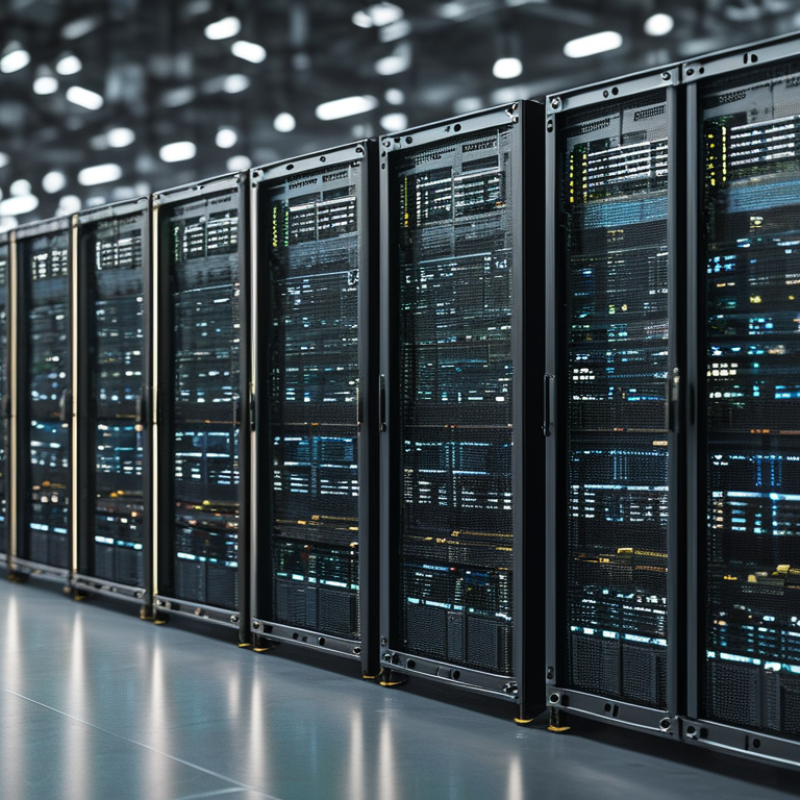
The global AI server hardware market is undergoing significant transformations. By 2026, the market is projected to reach approximately $42 billion, showcasing an annual growth rate of around 25% from 2021. This growth underscores the increasing reliance on AI technologies across various sectors, including healthcare, automotive, and finance.
A recent report highlighted that the demand for GPUs and TPUs is intensifying. These components are crucial for training complex machine learning models. However, supply chain disruptions pose challenges. Manufacturers struggle to meet the rising demand while navigating semiconductor shortages. This ongoing situation highlights the need for better resource management and agile production strategies.
Additionally, sustainability is becoming a focal point. Many buyers now prioritize energy-efficient hardware that can optimize performance while reducing carbon footprints. Yet, developing such technologies requires substantial investment and innovation. Companies must reflect on their strategies to stay competitive in this evolving landscape. As the market grows, addressing these challenges will be vital for both manufacturers and consumers.
The AI server hardware market is rapidly evolving. Key manufacturers are not just focusing on speed but also on energy efficiency. Enhanced cooling systems and optimized power usage are central to their designs. Buyers now prioritize hardware that can handle massive data processing with minimal energy expenditure.
Some manufacturers excel in customizability, allowing businesses to tailor systems to their specific needs. This adaptability is crucial for diverse applications. However, the challenge lies in balancing performance with cost. Some high-performance options may exceed budget constraints.
Market leaders are also investing heavily in research and development. Emerging technologies like quantum computing and neuromorphic designs show great promise. However, their commercial viability remains uncertain. This ongoing development process highlights the importance of remaining versatile and receptive to new ideas in the fast-paced AI hardware market.
As we look toward 2026, the landscape of AI server hardware is evolving rapidly. A recent report from Gartner highlights that AI-driven workloads are expected to compose over 70% of data center traffic. This shift demands advanced server architectures designed for efficiency and speed. Innovations like dedicated AI processors and optimized cooling systems are integral to enhancing performance.
Hardware manufacturers are making strides in promoting energy efficiency. For instance, liquid cooling solutions are gaining traction, as they can reduce energy consumption by up to 40%. However, this technological advancement must be balanced with practical implementation challenges. Many data centers struggle to adopt these cooling techniques due to high installation costs and the complexity involved.
Moreover, security remains a core concern. The rise of AI server systems has opened doors for potential vulnerabilities. Hackers are becoming more sophisticated, targeting AI algorithms directly. Therefore, manufacturers need to innovate not only performance but also security features. This dual focus presents a continuous challenge for developers to ensure reliability and safety in their AI hardware offerings.
The demand for AI server hardware is experiencing rapid growth. As industries increasingly rely on artificial intelligence, the need for powerful computing solutions becomes critical. Experts predict a significant uptick in market demand. This drive is largely fueled by advancements in machine learning and data analytics. Organizations are seeking efficient solutions to process vast amounts of data.
In this evolving landscape, buyers are looking for reliable performance. Speed, scalability, and power efficiency are current priorities. However, not all manufacturers are meeting these diverse needs. Some struggle to innovate at the pace required. This creates a gap that informed buyers must navigate. Additionally, the complexity of hardware integration can pose challenges. Ensuring seamless compatibility requires careful consideration.
Investments in AI technology are substantial, translating to higher expectations. Companies must align with proven manufacturers that can offer robust solutions. Inadequate hardware can lead to operational inefficiencies. As stakeholders assess their options, they should weigh the benefits of both established and emerging players. Continuous adaptation is key in this competitive market.
| Manufacturer | Market Share (%) | Annual Revenue (Million USD) | Growth Rate (%) | Key Products |
|---|---|---|---|---|
| Manufacturer A | 22.5 | 5000 | 15.4 | AI Optimized Processors |
| Manufacturer B | 18.3 | 3200 | 10.2 | GPU Accelerators |
| Manufacturer C | 15.7 | 2500 | 12.0 | Data Center Solutions |
| Manufacturer D | 10.2 | 1400 | 8.5 | Scalable AI Hardware |
| Manufacturer E | 4.3 | 800 | 5.0 | Edge Computing Devices |
In 2026, the AI server hardware landscape continues to evolve. Major regions are stepping up as industry leaders. North America remains a hub, emphasizing advanced processing power. Meanwhile, Europe focuses on energy efficiency, striving for sustainability in hardware production. Asia-Pacific is rapidly accelerating, driven by innovation and competitive pricing strategies.
Tips: Research regional strengths before making a purchase. Consider local industry trends. These can greatly impact your long-term investment.
The competition among manufacturers is fierce. Emerging players often offer unique solutions. Yet, established firms still hold a significant market share. This dynamic environment can be challenging. Buyers should explore options rather than sticking to well-known brands. The right choice often depends on specific needs and regional advantages.
Tips: Stay updated on industry developments. New technologies are emerging regularly. This knowledge can guide better decision-making. Take time to evaluate each option carefully.
I server hardware for 2026?
Liquid cooling can reduce energy use by up to 40%, but high installation costs make it challenging to implement.
Hackers target AI algorithms, so security features must evolve alongside performance innovations to safeguard systems.
Industries rely more on AI, driving the need for powerful computing solutions, especially for data analytics and machine learning.
Many manufacturers struggle to innovate quickly, creating gaps in meeting diverse buyer needs for speed and efficiency.
Align with proven manufacturers while considering emerging players; inadequate hardware can lead to operational inefficiencies.
North America leads in processing power, Europe emphasizes energy efficiency, and Asia-Pacific focuses on competitive pricing.
Research regional industry trends and evaluate options carefully; staying updated on developments aids in better decision-making.
Sticking solely to well-known brands might overlook unique solutions from emerging players. Flexibility is important.
Continuous adaptation is crucial; the landscape is evolving rapidly with new technologies regularly emerging.
The article "2026 Top AI Server Hardware Manufacturers for Global Buyers" provides a comprehensive overview of the AI server hardware market, examining key trends and projections for the year ahead. It highlights the competitive landscape of AI server hardware manufacturers, offering a comparative analysis of leading players and their technological innovations that are set to shape the industry. Insights into market demand indicate a growing need for advanced AI capabilities, driving significant investments in server hardware development.
Moreover, the article explores the regional distribution of AI server hardware manufacturers, identifying industry leaders across various markets. As the demand for robust and efficient AI server hardware continues to rise, manufacturers are expected to enhance their product offerings, focusing on performance and scalability to meet the evolving needs of global buyers. This in-depth analysis serves as a valuable resource for understanding the future of AI server hardware in a rapidly advancing technological landscape.
